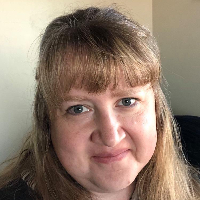
Jasen Livermore
LPC, LCPC
Practical support for stress and life changes
- Stress, Anxiety
- Relationship
- Depression
Wyoming 5 yrs
Clinical social work directory
724 therapists list coping with life changes among the things they work with. All offer sessions online, and every profile shows the registering body, the membership number and when it runs to.
This directory lists therapists who focus on coping with life changes, from relationship transitions and career shifts to grief and relocation. Browse the listings below to explore counselors, compare their focus areas, approaches, languages, and experience to find a suitable match for your needs.
LPC, LCPC
Practical support for stress and life changes
LCPC
Practical support for stress and life transitions
LCPC
Straightforward counseling for stress and relationships
MD, LCPC
Practical, collaborative counseling for everyday struggles
LCPC
Practical support for stress and emotional challenges
LCPC
Compassionate, practical support for changing inner dialogue
LPC, LCPC
Warm, practical counseling for life transitions
LMHC, LCPC
Practical support for stress and life transitions
LPC, LCPC
Practical, strength-focused counseling for life changes
LPC, LCPC
Compassionate, practical counseling for everyday life
MD, LCPC, LPCC
Insight-driven counselor focused on relationships
LCPC
Compassionate, practical support for life’s hard moments
LCPC
Compassionate guidance for life's hard moments
LCPC
Therapist focused on practical support and growth
LCPC
Practical, compassionate counseling for everyday struggles
LCPC
Compassionate counseling for practical change
LCPC
Experienced Illinois LCPC focusing on healing and practical change
LCPC, LPC
Compassionate, practical counseling for life changes
LCPC
Compassionate counselor for relationships and life changes
LCPC
Calm, practical counseling for everyday challenges
LPC, LCPC
Compassionate counselor for practical life challenges
LCPC
Compassionate counselor for addiction and trauma recovery
LCPC, LPC
Supportive, values-focused counseling
LCPC
Practical, relationship-focused therapy for life challenges
LCPC
Compassionate counseling for sexuality and relationships
LCPC
Practical, evidence-based care for everyday challenges
LCPC
Practical trauma-informed counseling for adults
LPC, LCPC
Practical guidance for stress and life changes
LPC, LCPC
Practical counseling for stress and life changes
LCPC
Compassionate, practical counseling for life changes
LCPC
Practical, respectful counseling for everyday struggles
LCPC
Calm, practical support for life’s challenges
LCPC
Calm, practical support for life’s harder moments
LCPC
Helping people move past stress and rebuild confidence
LCPC
Compassionate, practical therapy for life changes
LPC, LCPC
Calm, experienced counselor for mood and addiction
LCPC
Practical CBT and mindfulness for real problems
LPC, LCPC
Practical, goal-focused counseling with warmth
LCPC
Compassionate, practical support for life changes
LCPC
Practical, supportive therapy for everyday struggles
Some links on this page are partner links. We will earn a commission if you sign up through one, at no cost to you. It does not change what you pay or the order of the listings.
Life changes are a normal part of living, but even anticipated transitions can unsettle your routines, priorities, and sense of identity. Whether you are navigating a breakup, a career transition, becoming a parent, dealing with aging, facing health adjustments, or experiencing the loss of someone important, these shifts can trigger stress, sadness, anger, relief, or a mix of emotions. You may notice disruptions in sleep, concentration, appetite, or motivation, and relationships that were once steady can feel strained as roles evolve. The emotional impact is not a sign of weakness - it is a human response to altering circumstances and the meaning you attach to them.
When change arrives, you may find yourself needing to learn new skills, adapt expectations, and reframe your story. That process can feel isolating if friends and family cannot relate to your experience or if you worry about burdening others. Therapy focused on coping with life changes aims to give you tools to process emotion, explore practical next steps, and identify values that guide decision making. Over time you can build resilience that helps you respond to future transitions with more clarity and self-compassion.
You might consider seeking a therapist when changes in your life begin to interfere with daily functioning or when you feel stuck in distress that does not ease over time. If you find that worry or rumination colors most of your days, sleep is regularly disrupted, or you are avoiding people and activities you once enjoyed, these can be indicators that extra support would help. You may also notice changes in your relationships - increased conflict, withdrawal, or a sense that you are not being understood - which can signal that outside perspective would be useful.
Other signs include difficulty making decisions despite knowing practical options, persistent low mood that makes it hard to get things done, or a pattern of repeating the same choices that lead to unsatisfying outcomes. Sometimes physical symptoms like headaches, gastrointestinal upset, or chronic fatigue accompany emotional distress. Seeking therapy does not require a crisis; many people begin counseling to get tools and guidance early in a transition so they can navigate it with more confidence and less turmoil.
When you start therapy for life transitions, sessions typically begin with a conversation about what brought you in and your short-term goals. Your counselor will ask questions to understand the context of the change - what has shifted, how you have reacted, what resources you already have, and what obstacles you face. This assessment helps shape a collaborative plan that may include short-term coping strategies and longer-term work on meaning, identity, or relationship patterns.
Sessions often blend practical problem solving with emotional processing. You can expect to work on skills such as managing overwhelming feelings, improving communication, setting boundaries, and creating action plans for next steps like job searches, moving, or adjusting family roles. Therapy may also include reflective exploration - examining beliefs or narratives that make the transition feel harder than it needs to. Your counselor will check in on progress and adjust approaches as your situation evolves. Many people find that having a regular appointment creates structure during a turbulent period and offers a place to test new ways of thinking and behaving before using them in daily life.
Therapists working with life transitions draw from a range of approaches depending on the person and the situation. Cognitive-behavioral strategies are commonly used to help you identify unhelpful thought patterns and develop alternative ways of interpreting events so your responses feel more manageable. Therapists who list acceptance and commitment approaches among their methods may focus on clarifying values and committing to actions that align with what matters most, even when emotions are difficult.
Some counselors emphasize supportive, emotion-focused work that allows you to process grief, loss, or identity shifts in depth. Others incorporate narrative techniques to help you rewrite the story you tell about a transition, highlighting strengths and new possibilities. If trauma surfaces during a life change, you may find therapists who list trauma-informed approaches among their tools; these professionals aim to help you navigate distressing memories while restoring a sense of calm. Many therapists blend modalities to meet you where you are, and on directory profiles you will see a variety of approaches that reflect individual practitioner preferences rather than formal certification.
Online therapy can be a flexible way to address life transitions because it reduces the time and logistics involved in attending in-person sessions. You can connect from your home, workplace, or another quiet setting using video, phone, or messaging, depending on what the therapist offers. The format makes it easier to maintain continuity of care through a prolonged transition and can be particularly helpful if you are relocating, traveling, or balancing a demanding schedule.
When you choose online counseling, you will want to consider how you prefer to communicate and whether you feel comfortable sharing sensitive material through digital means. A virtual session still allows for the same kinds of therapeutic work - emotion processing, cognitive reframing, planning, and skills practice - although some people find certain exercises are easier in person. If you are transitioning to a new geographic area, online therapy can also help you maintain a therapeutic relationship while you search for local supports. On therapist profiles you will see notes about whether a counselor offers remote sessions and the languages they speak, which can help you select someone whose communication style and background align with your needs.
Finding a therapist who feels like a good fit is an important step in navigating life changes. Start by clarifying what you want from counseling - whether you need short-term help with practical problem solving, deeper work on emotional patterns, or support during grief. Look at counselor profiles to compare focus areas, therapeutic approaches, languages, and years of experience, paying attention to how they describe their work with transitions. Reading a clinician's description can give you a sense of whether their style is practical, reflective, directive, or collaborative.
Consider logistical factors that matter to you, such as session format - video, phone, or in person - and whether you prefer someone who has worked with similar transitions or populations. Trust your intuition about tone and rapport; you should feel heard and respected in the first few sessions. It is reasonable to try more than one counselor before settling on the person who best supports your goals. Therapy is a collaborative process, and the right match can help you move through change with clearer priorities, healthier coping strategies, and a renewed sense of possibility.