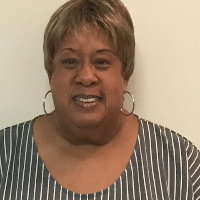
Dr. Rita Smith
MD, LCPC, LPC
Compassionate, practical therapy for real-life change
- Stress, Anxiety
- Relationship
- Family
Georgia 25 yrs
Clinical social work directory
4 therapists in this directory hold a licence issued in Georgia. Sessions are online; a therapist can normally only see people located in a state where they hold a licence, so check the credentials panel on each profile. LCPC and LPC are the same licence under different state names.
Welcome to our directory of online therapists licensed to practice in Georgia. All therapists listed hold Georgia licenses; explore profiles to compare approaches, credentials, languages and experience.
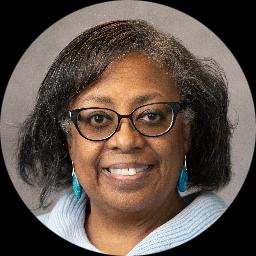
MD, LCPC, LPC
Compassionate, practical therapy for real-life change
MD, LCPC, LPC
Calm, practical help for life transitions
MD, LCPC, LPC
Compassionate listener helping rebuild confidence
LCMHC, MD, LCPC
Practical, strengths-based care for anxiety and grief
Some links on this page are partner links. We will earn a commission if you sign up through one, at no cost to you. It does not change what you pay or the order of the listings.
Online therapy has become an established option for many people across Georgia. If you live in Atlanta, a small town in the north Georgia mountains, or a coastal community, you can find counselors who offer services through video, phone, or text-based formats. State rules generally require that a therapist be licensed in Georgia to provide services to someone who is physically located in the state, so the profiles in this directory show licensed professionals who indicate they provide online sessions to Georgia residents. The ways therapists work remotely vary - some emphasize live video sessions that resemble traditional office visits, while others incorporate text-based messaging, brief check-ins, or blended models that mix in-person and remote contact when appropriate. Technology has expanded options for how you connect with a therapist, but the core of the work remains the relationship and the therapeutic approach you and your counselor choose.
Regulation and practice details have evolved since telehealth first became widespread, so practitioners and clients continue to adapt to new norms, best practices, and tools. Many Georgia-based therapists aim to make remote care accessible by listing the therapeutic approaches they use, the populations they work with, and languages they speak. When you review profiles, you can get a sense of whether a therapist names modalities or focus areas that align with your goals, and whether their experience matches the life stage or circumstances you are bringing to therapy.
Video sessions remain the most common format because they preserve visual cues and a sense of presence. Phone counseling can be an alternative when bandwidth or privacy is an issue. Some therapists offer structured messaging or email support between sessions for brief check-ins or skill practice. Each format has pros and cons depending on your needs, schedule, and comfort with technology.
Online therapy can expand your access to counselors beyond your immediate geographic area, which is particularly useful in a state with a mix of urban and rural communities. If you live far from a major city, remote sessions can reduce travel time and make it easier to fit therapy into a workday or family routine. Virtual sessions also let you choose a therapist whose language skills, specialization, or clinical focus match your needs, even if that therapist practices in a different part of the state.
Many people find that the convenience of online sessions increases consistency, which can be important for progress. You can attend from your home office, a designated quiet space, or another environment where you feel comfortable. That said, preparing for remote work is part of the process - arranging time, a quiet area, and a reliable connection helps you get the most from each session. Some people appreciate the slightly different dynamic of remote therapy, which can feel more informal and practical, while others prefer the structure of an in-person office; both settings can support meaningful work depending on your goals and preferences.
Therapists offering online sessions in Georgia address a wide range of life challenges. You might look for someone who lists experience with anxiety, depression, relationship concerns, parenting and family dynamics, life transitions, grief, stress management, or work-related pressures. Therapists also often describe work with adolescents, young adults, couples, and older adults, and some note particular interests such as trauma work, mood regulation, or career coaching. Because therapists list their approaches and focus areas in their profiles, you can determine whether their stated interests align with what you want to work on.
Online formats are well suited for skill-based interventions, supportive counseling, and short- to medium-term work. They can also serve as a platform for longer-term therapeutic relationships when both you and the therapist prefer a remote arrangement. If you have complex medical needs, concerns that require coordinated care, or legal questions, online therapy can still be part of a broader support plan, but you may want to look for a therapist who notes experience collaborating with medical providers or who is comfortable discussing referrals and coordination of care.
When you review therapist profiles, it is important to confirm licensure information. Georgia maintains public records through its professional licensing board. You can search the Georgia Composite Board of Professional Counselors, Social Workers, and Marriage and Family Therapists website to verify a counselor's license status, expiration date, license number, and any public disciplinary actions. These records help you confirm that a therapist is legally authorized to practice in Georgia and that the license type matches the level of practice you expect.
In addition to checking the board's records, review the therapist's profile for basic background information such as education, years of practice, and populations served. Keep in mind that profiles list approaches a therapist uses, but that is not the same as formal certification or credentialing in a specific modality. If you have questions about a therapist's training or experience with a particular method, you can ask them directly when you contact them. Also be aware of the geographic rule - therapists generally need to be licensed in Georgia to provide services to you while you are located in the state, so confirming licensure in Georgia is especially relevant for online care.
Getting started begins with clarifying why you want therapy and what you hope to achieve. Think about whether you prefer a therapist who focuses on symptom reduction, skill-building, deeper insight and personal growth, or practical problem solving. Use the directory to narrow choices by approaches, populations, languages spoken, and stated experience. When you contact a therapist, you can ask about their typical session structure, the formats they offer - such as video or phone - and whether they work with issues like yours. Keep questions focused on fit and process rather than medical claims.
Choosing the right therapist often comes down to how comfortable you feel with the person and their approach. It is reasonable to try an initial session or two to see how well the dynamic works for you. Pay attention to practical matters as well - the types of online platforms a therapist uses, whether session lengths and fees align with your needs, and how they handle documentation and referrals. If you use insurance, ask the therapist whether they can provide the information you need for reimbursement or whether they accept your plan. Finally, prepare for remote sessions by picking a quiet space, setting up your device and connection in advance, and thinking about goals or topics you want to address so your time is focused and productive.
Before your first session, test your camera and microphone, choose a location free from interruptions, and consider whether you need headphones for audio clarity. Have a list of questions or concerns ready so you can use the initial meetings to evaluate fit. If you have any accessibility needs or prefer a particular communication style, bring that up at the start so the therapist can adapt their approach. Good fit is both personal and practical - the right combination of rapport, approach, and logistics will help you make steady progress.
Finding an online therapist in Georgia involves balancing practical considerations with your personal preferences. Use the directory to compare profiles and focus on those who list approaches and experience that resonate with you. By verifying licensure, considering format and logistics, and giving yourself a couple of sessions to assess fit, you can identify a therapist whose style and expertise support your goals for growth, healing, or change.