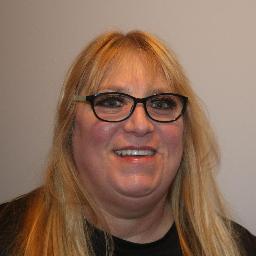
Pamela Edge
LCPC
Compassionate evidence-based care for emotional challenges
- Stress, Anxiety
- Addictions
- Trauma and abuse
Maine 24 yrs
Clinical social work directory
40 therapists in this directory hold a licence issued in Maine. Sessions are online; a therapist can normally only see people located in a state where they hold a licence, so check the credentials panel on each profile. LCPC and LPC are the same licence under different state names.
Welcome to our directory of licensed online therapists serving Maine. Every professional listed holds a Maine license; use the profiles to explore approaches, languages, and clinical focus areas.
Take your time to review qualifications and approaches so you can find a therapist whose style and experience fit your needs.
LCPC
Compassionate evidence-based care for emotional challenges
LCPC
Helping people move past stress and rebuild confidence
LCPC
Experienced Maine counselor focused on practical support
LCPC
Therapist focused on steady, practical support
LCPC
Compassionate counselor focused on practical progress
LCPC
Calm, practical support for life’s struggles
LCPC
Practical counseling for real-life change
LCPC, LMHC
Compassionate, practical therapy for everyday struggles
LCPC
Compassionate skills-based counseling
LCPC
Compassionate, practical support for life challenges
LCPC
Practical, respectful counseling for life’s challenges
LCPC
Compassionate, practical counseling for changing lives
LCPC
Supportive counselor focused on practical coping skills
LPC, LCPC
Compassionate practical therapy for life’s challenges
LCPC
Practical, strengths-based counseling in Maine
LCPC
Compassionate counselor guiding practical change
LPC, LCPC
Collaborative, practical therapy for change
LCPC
Practical, strengths-focused counseling for everyday challenges
LCPC
Practical counseling rooted in your everyday strengths
LCPC
Practical guidance for stress and relationship strain
LCPC
Practical, collaborative counseling for everyday challenges
LCMHC, LCPC
Practical, direct support for life and relationship stress
LCPC, LMFT
Practical support for relationships and life changes
LCPC
Helping people move forward with practical care
LCPC
Client-centered care for stress and trauma
LCPC
Experienced Maine counselor focusing on relationships and resilience
LCPC
Practical, goal-focused counseling for life changes
LCPC
Compassionate, practical support for stress and trauma
LCPC
Compassionate, practical counseling for life challenges
Some links on this page are partner links. We will earn a commission if you sign up through one, at no cost to you. It does not change what you pay or the order of the listings.
Online therapy has become a common option for people across Maine, including those living in cities, suburbs, and rural communities. Many licensed clinicians list online sessions among the ways they work with clients, which expands the practical reach of counseling beyond office walls. For residents, that means the ability to connect with providers who specialize in particular issues or who offer services in languages other than English. When you search profiles, you will often see whether a therapist indicates they offer remote sessions, what professional credential they hold, and which therapeutic approaches they describe.
Technology, broadband coverage, and comfort with video or phone formats influence how widely online therapy is used in any region. You can expect variation in how therapists describe their telehealth process and what technical setup they recommend. Profiles typically include information about session length, therapeutic focus, and the populations a therapist works with, helping you identify professionals to contact and ask further questions of before beginning work together.
Online therapy offers several practical benefits for people in Maine. It reduces travel time and removes the need to navigate winter weather and long drives, which can make it easier to keep appointments consistently. If you live in a less populated area, remote therapy increases access to clinicians who list specialized experience that may not be available locally. You can choose a counselor whose cultural background, language skills, or clinical focus better match your needs without being limited by geography.
Another advantage is flexibility. Remote sessions can fit into work breaks, family schedules, or school hours more readily than in-person visits. You can take a session from a quiet room at home, a parked car between commitments, or another location where you feel comfortable and able to speak openly. Many people find that being in a familiar setting during sessions helps them access thoughts and feelings they want to address in therapy. As you plan, consider where you can participate in sessions with minimal distractions and where you can maintain personal privacy during a conversation.
Online therapists in Maine work with a wide range of concerns, from everyday stressors to longer-standing mental health and relationship issues. You will find clinicians who describe work with anxiety, depression, grief, life transitions, stress management, and relationship challenges. Many also note experience helping people navigate parenting concerns, work-related stress, identity development, and coping with chronic health conditions. If trauma is a concern, you can look for therapists who list trauma-informed approaches or who indicate they work with post-traumatic stress symptoms; phrasing on profiles usually clarifies that the therapist lists particular approaches among their methods.
Because online therapy removes geographical constraints, you may also find counselors who articulate experience with specific populations, such as teens, older adults, LGBTQ+ clients, military families, or multilingual communities. Therapists who list certain modalities among their approaches can address particular patterns of thinking or behavior, but that does not on its own mean a therapist holds formal certification in that method. When reviewing profiles, focus on the match between the problems you want to address and the therapist's described focus areas and clinical interests.
Verifying a therapist's license is an important step before beginning care. Start by locating the therapist's full name and any license number that appears on their profile. Use the state's professional licensing website or its online license lookup tool to confirm that the license is active, that the license type matches the profession you expect, and that there are no public disciplinary actions listed. If you have questions about what you find, you can contact the licensing board directly for clarification about the status and scope of the license.
Once you are satisfied with licensing information, prepare to get started by reading the therapist's profile carefully. Look for descriptions of their therapeutic approaches, the populations they work with, and any languages they provide services in. Profiles often include practical details such as session length, fee structure, and whether they list accepted insurance plans or a sliding scale option. To initiate contact, reach out through the directory's contact method or the clinician's posted contact information to ask about logistics. In that conversation you can ask about the platform they use for online sessions, what technology you will need, how to handle cancellations or rescheduling, and how they structure early sessions so you know what to expect.
Choosing a therapist is a personal process, and there is no single formula that fits everyone. Begin by clarifying what you hope to get from therapy - symptom relief, strategies for daily functioning, processing life events, or support navigating relationships - and then find profiles that mention those areas of work. Consider the therapist's stated approaches and whether their style aligns with how you prefer to work. For example, if you value practical tools and homework, look for clinicians who describe technique-focused work; if you prefer a reflective, exploratory process, note phrasing that emphasizes understanding patterns and meaning.
Language and cultural fit matter. If you prefer to speak in a language other than English, seek therapists who list that language among their services. If shared identity or experience is important to you, look for descriptions that indicate familiarity with specific communities. When you contact a therapist, it is appropriate to ask about their experience with concerns similar to yours, while remembering that a profile's listing of an approach is not the same as formal credentialing in that approach. Finally, trust your instincts about communication style. Many people know after a session or two whether the therapist's manner feels like a good match. Plan to evaluate progress and rapport over the first several sessions, and be prepared to try another clinician if the fit is not right. Your comfort and ability to engage openly are central to effective therapy work.
Online therapy can open new possibilities for care across Maine, but it also requires some preparation. Make sure you have a reliable internet connection or phone service for sessions, choose a setting where you can speak without interruption, and understand billing and insurance policies before starting. Use the directory profiles as a starting point to learn about credentials, approaches, languages, and clinical focus areas, then reach out to clinicians to ask the logistical and practical questions that matter to you. With clear goals and a thoughtful search, you can identify a licensed online therapist in Maine whose approach and experience align with what you want to address.