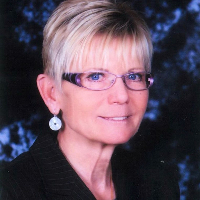
Patrick Argiro
LPC, LCPC
Practical, client-centered therapy for overwhelmed adults
- Stress, Anxiety
- Trauma and abuse
- Anger
Idaho 6 yrs
Clinical social work directory
28 therapists in this directory hold a licence issued in Idaho. Sessions are online; a therapist can normally only see people located in a state where they hold a licence, so check the credentials panel on each profile. LCPC and LPC are the same licence under different state names.
Welcome to the Idaho online therapy listings for LCPC Therapists. Every professional shown on this page holds a current license to practice in Idaho. Explore profiles to learn about approaches, languages, and areas of focus so you can reach out to someone who fits your needs.
LPC, LCPC
Practical, client-centered therapy for overwhelmed adults
LCPC, LPC
Compassionate support for addiction and trauma recovery
LCPC
Practical, experienced counselor guiding steady change
LCMHC, LCPC
Calm, practical counseling for everyday challenges
LCPC
Practical, person-centered care for everyday struggles
LCPC
Practical, steady support for everyday challenges
LCPC
Practical support for stress and relationships
LMHC, LCPC
Calm, practical support for life's hard transitions
LMHC, LCPC
Compassionate clinical counselor focused on practical change
LCPC
Practical, person-centered counseling for everyday struggles
LCPC
Practical, compassionate counseling for life changes
LPC, LCPC
Calm practical help for daily struggles
LCPC
Calm, practical support for stress and relationships
LCPC
Practical support for anxiety and mood challenges
LMFT, LCPC
Calm, practical therapy for real life
LCPC
Practical counseling for stress and life direction
LCPC
Calm, steady therapy for overwhelmed people
LCPC
Practical, compassionate counseling for life challenges
LCPC, LPC
Practical support for relationships and life changes
LPC, LCPC
Practical support for stress, trauma, and life changes
LCPC
Compassionate counselor focusing on real-life change
LCPC
Warm LCPC counselor focused on practical change
Some links on this page are partner links. We will earn a commission if you sign up through one, at no cost to you. It does not change what you pay or the order of the listings.
Online therapy has become a commonly used option for people across Idaho who want counseling without traveling to an office. State regulations allow licensed counselors to provide services to clients who are physically located in Idaho, and many therapists list telehealth or video sessions among the ways they work. What you will find on directory listings are profiles that describe a clinician's professional background, license status, stated areas of focus, and the therapeutic approaches they list. These profiles are a starting point to help you learn which professionals present experience that aligns with what you are facing.
Because Idaho includes large rural regions as well as urban centers, remote sessions can help bridge geographic distance. Providers may offer video, phone, or hybrid formats that let you connect from home, a car between commitments, or another setting that fits your daily routine. While online work shares many elements with in-person counseling, there are logistical differences to consider - such as how you and the clinician handle technical issues, how to create a comfortable setting for sessions, and how emergency support is managed if a crisis arises during a remote appointment. The profiles on this site can help you find therapists who describe working online and who list the issues they commonly address.
If you live in a small town, on a reservation, or in a more isolated area of Idaho, online therapy can reduce travel time and expand the pool of clinicians you can contact. You do not have to limit your search to local offices. That flexibility can be especially useful when you are juggling work, family responsibilities, or mobility challenges. Remote sessions also let you build continuity of care if you move within the state or need to maintain contact while traveling for work or school.
Online therapy can also make it easier to access specialists who focus on particular concerns you may have, such as perinatal mood difficulties, adolescent issues, military and veteran-related transitions, or support for caregivers. Some therapists list specific approaches like cognitive behavioral techniques, trauma-focused work, dialectical strategies, or mindfulness-based practices among the methods they use. When you browse profiles, pay attention to the approaches a clinician mentions and think about whether their described focus fits the kind of support you want to receive.
People seek online therapy for a wide range of life challenges and mental health concerns. You may be looking for help with generalized anxiety, ongoing stress, or depression that interferes with daily life. Relationship and family issues are frequently addressed in remote sessions, including communication problems, parenting concerns, and the emotional effects of separation or divorce. Grief and loss, whether tied to death, relationship endings, or major life changes, are another common reason people reach out to therapists online.
Many therapists also describe working with trauma, chronic health conditions, substance use challenges, and life transitions like career changes or relocation. If you are coping with workplace stress, burnout, or identity questions, you can find clinicians who list those areas among their specialties. Remember that a therapist’s profile typically states what they focus on and the approaches they use; for example, you might see therapists who list EMDR among their approaches or who mention behavioral interventions and skills-based work. Those profile notes are meant to help you match your needs with a clinician’s stated interests.
Verifying a license is an important step when you are choosing a clinician. Start by locating the license information on the therapist's profile and take note of the license type and license number if available. You can then use the Idaho licensing board's online license lookup tool to confirm that the license is active and to review any public records about disciplinary actions, restrictions, or expiration dates. The licensing board can also provide official verification if you call or submit an inquiry.
When reviewing a license record, look for the date of issue, the current status, and any public notes about professional conduct. If the profile lists credentials such as a counseling license or other professional credentials, those can usually be confirmed through the same state resources. If you have questions about terminology - for example, whether a title is specific to Idaho or used differently in another state - the licensing board can clarify how titles are regulated locally. Verifying a license does not replace asking direct questions to the clinician about their experience, approach, or how they work online, but it does ensure they hold the legal authorization to practice in the state.
Begin by thinking about the outcomes you hope to achieve from therapy. You might want symptom relief, improved communication in relationships, practical coping skills, or a structured plan to address a particular life transition. Use those goals to guide which profiles you explore. When you contact a therapist for an initial conversation, note which platforms they mention for sessions, what languages they list, and whether they describe working with issues similar to yours. Many providers include an overview of their approach and what a typical session looks like, which can help you imagine the practical side of remote work.
When you prepare questions for a clinician, focus on matters that influence whether you will feel comfortable and supported. You could ask how they typically structure remote sessions, what their approach is to setting goals and tracking progress, and how they coordinate care if you are already working with other health professionals. It is also reasonable to ask about the kinds of challenges they see most often, how they adapt their methods for remote sessions, and whether they offer materials or exercises to work on between sessions. Asking about language options and cultural responsiveness can help you find someone who resonates with your identity and background.
Make sure you have a reliable internet connection and a device with a camera and microphone if you plan to use video. Choose a spot where you can speak openly without frequent interruptions, and let household members know you need uninterrupted time during sessions. If you prefer to maintain more control over audio, a set of headphones can improve sound quality. Discuss with the clinician how they handle missed connections or technical disruptions so you know what to expect if a session is interrupted.
Many profiles include information about payment methods, fee ranges, and whether a clinician will provide documentation for insurance reimbursement. If insurance is part of your plan, ask the clinician or your insurer how remote therapy sessions are billed and whether they are covered under your benefits. Clarify cancellation policies and any paperwork you will need to complete before your first session. Having these practical details sorted in advance helps you focus on the therapeutic work once you begin.
Choosing a therapist is a personal process and it is normal to try more than one clinician before finding a good match. Take your time reviewing profiles and trust your sense of whether a clinician's approach and stated focus fit your needs. When you find someone who seems aligned with your goals, an initial conversation can help you determine if the communication style and practical arrangements will work for you. Over time, clear goals and regular check-ins about progress will help you evaluate whether the relationship is supporting the changes you want to make.