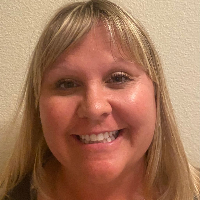
Robert Lowe
LPC, LCPC
Compassionate, practical counseling for everyday life
- Stress, Anxiety
- Relationship
- Family
Nevada 13 yrs
Clinical social work directory
165 therapists list eating disorders among the things they work with. All offer sessions online, and every profile shows the registering body, the membership number and when it runs to.
Find therapist profiles focused on eating disorders, including their listed approaches, credentials, languages, and focus areas. Browse the listings below to learn more and identify professionals whose expertise aligns with your needs.
LPC, LCPC
Compassionate, practical counseling for everyday life
LCPC
Compassionate, practical support for life’s hard moments
LCPC
Practical, compassionate counseling for everyday struggles
LCPC
Calm, practical counseling for everyday challenges
LCPC
Calm, experienced counselor focused on practical change
LCPC
Practical, respectful counseling for everyday struggles
LCPC
Calm, practical support for life’s challenges
LCPC
Helping people move past stress and rebuild confidence
LPC, LCPC
Calm, experienced counselor for mood and addiction
LCPC
Practical CBT and mindfulness for real problems
LPC, LCPC
Practical, goal-focused counseling with warmth
LCPC
Experienced counselor for practical coping strategies
LCPC, LPC
Compassionate counselor focused on practical change
LCPC
Practical, experienced counseling for stress and addiction
LCPC
Guided practical therapy for everyday challenges
LCPC
Practical, person-focused counseling for life challenges
MD, LCPC
Skilled therapist for mood and relationship struggles
LCPC, LPC
Practical support for stress and life changes
LPC, LCPC
Mindful, values-focused practical therapy
LCPC
Compassionate counselor focused on practical change
LCPC
Compassionate counselor focused on practical change
LPCC, LCPC
Practical, compassionate counseling for daily struggles
LCPC
Practical, person-centered care for everyday struggles
LPC, LCPC
Practical, skills-focused counseling for everyday life
LCPC
Compassionate, practical counseling for everyday challenges
LCPC, LPC
Compassionate relationship-focused counseling
MD, LCPC
Compassionate therapist combining talk and practical tools
LCMHC, LCPC
Person-centered counseling for recovery and growth
LCPC, LPC
Practical counseling for people feeling stuck
LCPC, LPC
Experienced counselor focused on practical change
MD, LCPC
Experienced Maryland clinician focused on practical support
MD, LCPC
Practical, collaborative counseling for everyday struggles
LCPC
Calm, practical support for life’s struggles
LCPC
Experienced Illinois counselor focused on practical growth
MD, LCPC
Collaborative, practical care for life transitions
LCPC
Practical, steady support for life’s hard moments
LCPC
Compassionate, practical therapy for real-life struggles
LPC, LCPC
Practical goal-focused counseling for real change
LCPC, LMHC
Compassionate counselor for life’s big challenges
LCPC
Compassionate counselor focused on practical change
LCPC
Practical counseling for real-life change
LCPC
Compassionate counselor focused on practical progress
Some links on this page are partner links. We will earn a commission if you sign up through one, at no cost to you. It does not change what you pay or the order of the listings.
Eating disorders encompass a range of patterns in thoughts and behaviors around food, body image, and weight that can disrupt everyday life. You might know someone who cycles between restrictive eating and binge episodes, obsesses about calories or exercise, or engages in compensatory behaviors such as purging. These patterns do not only affect what you eat - they often touch mood, concentration, relationships, work or school performance, and how you experience your body.
People of any age, gender, cultural background, or body size can be affected. Some individuals experience long-term patterns, while others notice a more recent intensification of symptoms following stress, a change in circumstances, or a trigger related to body image. If you are reading this, you may be wondering whether your experiences fit the profile of an eating disorder, or you may be supporting someone whose eating and weight-related behaviors are causing concern. Therapy can help address the behavioral patterns, underlying emotions, and social factors that contribute to the problem.
You may benefit from discussing your experiences with a therapist if your eating behaviors are causing distress, interfering with daily functioning, or creating health concerns. You might find yourself thinking about food, shape, or weight for large parts of the day, avoiding social situations that involve eating, or experiencing anxiety around meals. Physical signs can include fluctuations in weight, menstrual irregularities, gastrointestinal issues, dizziness, or frequent attempts to control weight through dieting, fasting, over-exercising, or purging behaviors.
Emotional and relational impacts are also common. You might notice increased irritability, difficulty concentrating, withdrawal from friends and family, or a drop in motivation at work or school. Co-occurring issues such as depression, anxiety, obsessive thinking, or trauma-related symptoms can intensify eating-related patterns. If you are concerned about any of these signs, therapy can offer a place to explore what is happening and to work on practical steps that feel manageable for you.
Therapy for eating disorders typically begins with an assessment that explores your eating patterns, medical history, mental health, and daily routines. In early sessions you and your therapist will aim to build a working plan that addresses immediate safety, eating behaviors, and personal goals. You can expect conversations about triggers, emotions, body image, and situations that prompt unhelpful behaviors. Sessions often blend skills practice with reflective work to address both behavior and the thoughts and feelings that support it.
The structure of therapy can vary by provider and your needs. Some therapists emphasize skills for tolerating difficult emotions and handling urges, while others focus on restructuring thoughts about food and body image. If you are an adolescent, sessions may include family members and focus on supporting meals at home. Many therapists also discuss coordination with medical professionals and registered dietitians when nutritional rehabilitation or medical monitoring is appropriate. Throughout treatment you and your therapist will typically revisit goals and adjust strategies based on what is working for you.
There are several approaches therapists may list among their methods for working with eating disorders, and each can offer different emphases. Some therapists list cognitive behavioral therapy, which concentrates on identifying and changing unhelpful thoughts and behaviors related to eating and body image. Others describe dialectical behavior therapy approaches that teach emotion regulation, distress tolerance, and interpersonal effectiveness skills to help manage urges and reduce self-critical patterns.
Family-based approaches appear more often for adolescents and young people, with therapists who list family-based treatment or family therapy among their approaches working with caregivers to support regular eating and weight restoration when needed. Interpersonal therapy is another approach some clinicians list, which explores how relationships and life transitions relate to eating patterns. Acceptance and commitment methods focus on building values-based action and willingness to tolerate uncomfortable feelings rather than attempting to avoid them. You may also find therapists who list nutrition counseling or collaborative work with registered dietitians among their approaches, reflecting an emphasis on developing a balanced relationship with food and practical meal planning.
Keep in mind that listing an approach does not indicate a standardized certification or specific length of training. Instead, use the information to identify therapists whose style and focus match what you are looking for. In many cases a combination of therapies and coordinated care with medical or nutritional providers is the most helpful path.
Online therapy has become a common way to access specialized support when local resources are limited or when scheduling or transportation are challenges. Sessions typically take place via video or phone in a comfortable environment of your choosing, allowing you to engage from home or another personal location. You can expect a similar clinical process to in-person care: intake conversations, collaborative goal-setting, skills practice, and reflective work tailored to your needs. Many therapists also use electronic messaging for brief check-ins, between-session assignments, or to share resources.
Online work can be particularly useful for continuity of care if you move or travel, and it can broaden access to therapists who list specialized experience with eating disorders. However, online settings also require you to think about safety planning and emergency procedures in your area, since therapists cannot provide immediate in-person medical support. If you have medical concerns related to eating behaviors, therapists often recommend ongoing coordination with your medical provider or a registered dietitian who can monitor physical health. Discuss with any therapist how they approach coordination with other providers and how they handle urgent situations so you know what to expect.
When looking through listings, notice whether a therapist highlights work with eating disorders, body image, or related concerns such as anxiety or trauma. Read how they describe their approach and the populations they serve. You may prefer a therapist who lists cognitive behavioral strategies if you want concrete skill-building, or someone who lists family involvement if you are seeking support for an adolescent. Therapists who list experience with co-occurring mood or trauma-related issues can be a good fit if those areas are part of your experience.
Eating disorders are often best addressed through a collaborative approach. Ask whether a therapist is open to working alongside your primary care provider, a registered dietitian, or an outpatient medical team where appropriate. Some therapists describe how they coordinate with other professionals to ensure consistent care. If nutritional planning or medical monitoring is likely to be part of your needs, finding a therapist who recognizes the value of multidisciplinary collaboration can be helpful.
Your comfort with a therapist is a crucial part of effective work. Consider factors such as whether a therapist lists experience with your age group, cultural background, language preferences, or gender-related concerns. Look for descriptions that resonate with your values and expectations about how therapy will proceed. It is reasonable to ask prospective therapists about session structure, typical length of work, how they approach meal support, and how they incorporate family or other supports if relevant to your situation.
Choosing a therapist is a personal decision. Use listings to narrow options based on focus areas, approaches, credentials, languages, and experience, and then reach out to learn more about how a therapist works. Thoughtful matching between your needs and a therapist's focus can make the process of seeking support feel more hopeful and manageable as you move forward.