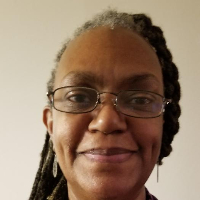
Troy Gibson
LCPC
Straightforward counseling for stress and relationships
- Stress, Anxiety
- LGBT
- Relationship
Illinois 10 yrs
Clinical social work directory
216 therapists list multicultural concerns among the things they work with. All offer sessions online, and every profile shows the registering body, the membership number and when it runs to.
Browse listings of therapists who work with multicultural concerns to learn about their focus areas, cultural perspectives and approaches. Use the profiles below to explore languages, experience and therapy styles as you find a clinician who matches your needs.
LCPC
Straightforward counseling for stress and relationships
LCPC
Compassionate, practical support for changing inner dialogue
LPC, LCPC
Warm, practical counseling for life transitions
LCPC
Compassionate, practical support for life’s hard moments
LCPC
Therapist focused on practical support and growth
LCPC, LPC
Hopeful, practical therapy with an experienced clinician
LCPC
Compassionate counseling for practical change
LCPC
Experienced Illinois LCPC focusing on healing and practical change
LCPC
Compassionate counselor for relationships and life changes
LCPC
Calm, practical counseling for everyday challenges
LCPC
Compassionate counselor for addiction and trauma recovery
LCPC
Calm, experienced counselor focused on practical change
LPC, LCPC
Practical, client-centered therapy for overwhelmed adults
LPC, LCPC
Practical guidance for stress and life changes
LCPC
Helping people move past stress and rebuild confidence
LCPC
Compassionate, practical therapy for life changes
LPC, LCPC
Calm, experienced counselor for mood and addiction
LCPC
Practical CBT and mindfulness for real problems
LCPC
Relational therapist focused on attachment and practical change
LCPC, LPC
Practical, collaborative therapy for stress and trauma
LCPC
Practical support for stress and life changes
LMHC, LCPC
Compassionate counselor for life transitions
LMHC, LCPC
Calm, clear support for life’s hard moments
LCPC
Straightforward help for everyday struggles
LCPC
Guided practical therapy for everyday challenges
MD, LCPC
Experienced clinician focusing on practical change
LCPC
Practical support for relationship and life changes
LCPC
Practical, affirming therapy for mood and identity concerns
LCPC, LPC
Practical support for stress and life changes
LCPC
Experienced counselor focused on practical skills
LPC, LCPC
Mindful, values-focused practical therapy
LCPC
Compassionate counselor focused on practical change
MD, LCPC
Empathetic clinician focused on practical change
MD, LCPC
Experienced Maryland counselor focusing on practical change
LCPC
Compassionate, practical therapy for life’s challenges
LCPC
Guided, practical counseling for life changes
LCMHC, LCPC
Calm, practical counseling for everyday challenges
LCPC
Calm, practical counseling focused on your goals
LPC, LCPC
Practical, skills-focused counseling for everyday life
LCPC
Compassionate, practical counseling for everyday challenges
LCPC
Compassionate LCPC helping people navigate life and relationships
Some links on this page are partner links. We will earn a commission if you sign up through one, at no cost to you. It does not change what you pay or the order of the listings.
Multicultural concerns refer to the complex ways culture, ethnicity, race, immigration history, religion, gender identity, socioeconomic background and other social identities shape your experience of stress, relationships and emotional well-being. These concerns can be about understanding and reconciling multiple cultural backgrounds, navigating discrimination or microaggressions, preserving cultural traditions while adapting to a new environment, or coping with intergenerational expectations. When culture is an active part of how you make sense of yourself and the world, the challenges that arise are rarely only individual. They are embedded in social systems, family histories and everyday interactions.
Because culture touches so many parts of life, multicultural concerns can influence the topics you bring to therapy and the way you respond to different types of help. You might find that cultural values affect communication styles, expectations about emotional expression, and ideas about healing. Recognizing the role of culture in your distress or growth is a key step in finding support that feels relevant and respectful of who you are.
You might consider seeking a therapist for multicultural concerns if you often feel isolated because your experiences are not reflected in the people around you, or if you struggle to talk about race, identity or cultural identity without being misunderstood. Persistent stress related to experiences of bias, ongoing identity conflict, difficulties adjusting after migration, or tension between family cultural expectations and personal goals are all common reasons people pursue counseling focused on multicultural issues. You may notice increased anxiety, changes in mood, strained family relationships, or difficulty sleeping when cultural stressors are ongoing.
Another sign is when culture-related topics become central to problems at work, in school or in intimate relationships. For example, disagreements about cultural norms may escalate into recurring conflict, or you may feel pressure to assimilate in ways that undermine your sense of self. You might also be seeking help to strengthen your cultural identity, build resilience in the face of discrimination, or learn strategies for communicating about culture with partners, parents or children. Therapy can be a space to explore these concerns without having to explain every detail of your background before meaningful work can begin.
In sessions that focus on multicultural concerns, you can expect a process that foregrounds your cultural context as relevant to symptoms, goals and interventions. Early conversations often involve questions about your cultural history, language preferences, family dynamics, religious or spiritual practices, migration stories and any experiences of bias or marginalization you have faced. These topics help a therapist understand how culture interacts with your mental health and daily functioning.
Therapy sessions may include exploration of identity development, narrative work to make sense of cultural stories passed down through family, and skills for coping with stressors tied to discrimination or stereotyping. You may also work on communication techniques to address cross-cultural misunderstandings within families or workplaces, or on setting boundaries that honor both personal needs and cultural obligations. Sessions aim to create a collaborative plan with goals that respect your values. Some clinicians will integrate cultural traditions or healing practices you identify as meaningful, and others will adapt evidence-informed techniques to fit your cultural framework. You should expect an ongoing dialogue about whether the approach feels respectful and relevant to your cultural experience.
Therapists use a range of approaches when addressing multicultural concerns, and it is common to find clinicians who combine elements from several methods. You will find therapists who list cognitive behavioral therapy among their approaches, which often helps with identifying unhelpful thought patterns related to experiences of bias and developing coping strategies. Others may list narrative therapy among their approaches, which focuses on the stories you tell about your identity and allows you to reframe or reclaim aspects of your cultural narrative.
Some therapists list psychodynamic or relational approaches among their methods, using attention to family history and intergenerational patterns to understand how cultural values and trauma influence present-day relationships. There are therapists who list multicultural counseling or cultural humility as a guiding framework, emphasizing curiosity about your cultural world and an awareness of power differences. You may also see therapists who list community-based or trauma-informed approaches, which can be relevant if experiences of oppression or migration-related trauma are central to your concerns. When you review therapist profiles, look for language that indicates familiarity with cultural topics and a willingness to integrate your cultural practices into treatment.
Online therapy can expand your options when you are seeking culturally informed care, especially if local resources are limited or if you want to work with someone who shares or understands your cultural background. Remote sessions let you connect with therapists who list specific language skills or cultural competencies that match your needs, and they can make it easier to schedule sessions around work, school and family obligations. For many people, the convenience of connecting from home supports consistent participation in therapy and reduces the time and cost of travel.
When engaging in online therapy, you will want to think about the environment where you will meet. Choose a room or area where you can talk without interruption and where you feel comfortable sharing personal material. Some people prefer video sessions to maintain visual cues, while others find phone or chat formats less intimidating. Technology can be helpful, but it also requires planning for privacy in your living situation and good internet connectivity. If cultural rituals or family members play a role in your sessions, discuss how to incorporate them in a way that fits the online format. Many therapists who work with multicultural concerns adapt traditional techniques for teletherapy while remaining attentive to cultural nuance.
When you search profiles, pay attention to the ways therapists describe their work with culture, race, migration, religion and language. Look for clinicians who use language that aligns with your goals and who explicitly acknowledge power dynamics, systemic stressors and intergenerational factors rather than focusing only on individual symptoms. You may prefer a therapist who lists experience working with people from your background, who lists languages you speak, or who notes cultural approaches that resonate with you. Reading how a therapist talks about cultural topics can give you a sense of whether they value and understand the social context of your concerns.
Consider how you want culture to be addressed in therapy. You might prioritize a therapist who centers identity exploration and cultural pride, or someone who focuses on practical coping and communication strategies in cross-cultural settings. Think about logistical preferences as well - whether you want in-person or online sessions, what languages you need, and whether cultural or spiritual practices should be part of your care. Finally, trust your response to the language used in a therapist's profile and initial contact. A good therapeutic match often comes down to feeling heard, respected and understood in relation to your cultural story, so allow yourself to prioritize fit alongside credentials and approaches as you decide where to begin.