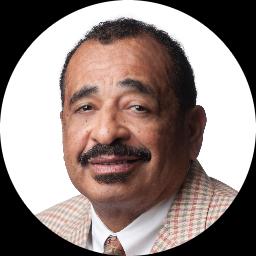
Phillip Hawk, LCPC
Licensed in Illinois · 24 years in practice
Phillip Hawk is a Licensed Clinical Professional Counselor who brings 24 years of experience to sessions.
License and registration
- LCPC, Illinois
- 180.005108 · expires March 2027
- NPI
- 1407075468 · national provider identifier
- Years in practice
- 24
- Languages
- English
Details are as listed on the therapist's public professional profile. You can check any license with the state board and any NPI with the national registry.
About Phillip
Phillip Hawk is a Licensed Clinical Professional Counselor who brings 24 years of experience to sessions. He focuses on helping people who are feeling overwhelmed by stress, anxiety, depression, grief, relationship tensions, addictions, trauma, and sleep problems. He speaks English and works with clients from Illinois and beyond.
Phillip aims for straightforward, respectful conversations. He listens first, then helps people sort priorities and set clear goals. Conversations are shaped to each person, not a one-size-fits-all plan.
Background and approach
He uses tools from Acceptance and Commitment Therapy and Cognitive Behavioral Therapy to address thoughts, habits, and values. That can mean learning practical skills for managing anxiety, changing patterns that deepen depression, or finding ways to cope after loss. His background includes supporting people facing family conflicts, caregiver stress, aging and geriatric issues, and complex co-occurring concerns.
He also works with challenges such as impulse control, communication problems, blended family issues, and the stresses experienced by first responders. The first session is a chance to describe what matters most and agree on next steps. Phillip helps create a plan you can try between sessions and revises it as your needs change.
Focus areas and approaches
Everything Phillip lists on their public professional profile, in their own terms.
- Stress, Anxiety
- Relationship issues
- Family conflicts
- Grief
- Depression
- Addictions
- Trauma and abuse
- Sleeping disorders
- Aging and geriatric issues
- Antisocial personality
- Autism and Asperger Syndrome
- Blended family issues
- Caregiver issues and stress
- Co-morbidity
- Commitment issues
- Communication problems
- Control issues
- Divorce and separation
- Eating and food-related issues
- Family problems
- First responder issues
- Forgiveness
- Impulsivity
- Infidelity
- Intellectual disability
- Isolation / loneliness
- Jealousy
- Life purpose
- Men's issues
- Midlife crisis
- Veteran and Armed Forces Issues
- Money and financial issues
- Mood disorders
- Multicultural concerns
- Narcissism
- Obsessions, compulsions, and OCD
- Panic disorder and panic attacks
- Post-traumatic stress
- Prejudice and discrimination
- Self-love
- Smoking / vaping cessation
- Social anxiety and phobia
- Young adult issues
Approaches Phillip names
Naming an approach is not evidence of training in it. This directory copies what each therapist lists and does not check training records.
Online support
How ACT and CBT work online with a therapist
Acceptance and Commitment Therapy helps people notice unhelpful thoughts and choose actions that match their values. Online ACT sessions often focus on practical exercises, noticing what matters, and small steps you can take between meetings to move toward those values. Cognitive Behavioral Therapy looks at the links between thoughts, feelings, and behaviors. In video or phone sessions CBT typically involves identifying patterns, testing new ways of thinking, and practicing behavior changes that reduce anxiety or improve mood. Choosing the right approach is a shared process. The therapist will listen to your goals and try one method, then adjust if something else seems a better fit. That collaboration helps tailor treatment to your needs and preferences. Online sessions offer practical benefits for many people. Video calls provide face-to-face conversation when travel is difficult. Phone sessions can work well when bandwidth or camera use is limited. Live chat and text-based messaging let you check in between sessions or fit a shorter meeting into a busy day. These options make it easier to keep therapy consistent and flexible while working on skills from ACT and CBT.We will earn a commission if you sign up through our link, at no cost to you. It does not change what you pay or the order of the listings.
Questions people ask
What concerns does he help with?
He helps people facing stress, anxiety, depression, grief, relationship and family problems, addictions, trauma and sleep difficulties.
What is his general therapy style?
He uses a practical, conversational style that focuses on clear goals and skills you can use between sessions.
How much experience does he have?
Phillip has 24 years of professional work experience supporting people with a wide range of concerns.
What credentials and region are listed?
He is listed as LCPC, and his practice is based in Illinois.
Which languages are supported and can he work internationally?
Sessions are offered in English and he accepts international clients.
What formats are available for sessions?
Sessions can be conducted by video calls, phone sessions, live chat, or text-based messaging.
How are costs handled?
Cost varies with location and therapist availability; sessions use a subscription that can be canceled at any time.
How do I begin working with him?
Start by selecting the Start Therapy button, completing a short matching questionnaire, and scheduling according to therapist availability.
More therapists in Illinois
See allCrystal Williams
LCPC
Practical support for stress and life transitions
- Stress, Anxiety
- Grief
- Self esteem

Troy Gibson
LCPC
Straightforward counseling for stress and relationships
- Stress, Anxiety
- LGBT
- Relationship

Susan Rick
LCPC
Practical support for stress and emotional challenges
- Stress, Anxiety
- Trauma and abuse
- Self esteem

Maria "Patti" Lorenzo
LCPC
Compassionate, practical support for changing inner dialogue
- Trauma and abuse
- Self esteem
- Coping with life changes

Is this your profile?
Ask us to correct details or take the page down.
Contact us