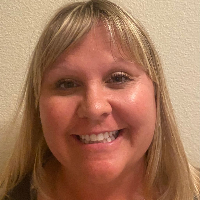
Troy Gibson
LCPC
Straightforward counseling for stress and relationships
- Stress, Anxiety
- LGBT
- Relationship
Illinois 10 yrs
Clinical social work directory
239 therapists list infidelity among the things they work with. All offer sessions online, and every profile shows the registering body, the membership number and when it runs to.
On this page you will find therapists who list infidelity and betrayal recovery among their areas of focus. Browse the listings below to review approaches, focus areas, languages spoken, and professional credentials to help you decide who might be a fit.
LCPC
Straightforward counseling for stress and relationships
LCPC
Compassionate, practical support for changing inner dialogue
LPC, LCPC
Warm, practical counseling for life transitions
LPC, LCPC
Compassionate, practical counseling for everyday life
LCPC
Compassionate, practical support for life’s hard moments
LCPC
Compassionate guidance for life's hard moments
LCPC
Therapist focused on practical support and growth
LCPC
Compassionate counseling for practical change
LCPC, LPC
Compassionate, practical counseling for life changes
LCPC
Calm, practical counseling for everyday challenges
LCPC, LPC
Supportive, values-focused counseling
LCPC
Compassionate counseling for sexuality and relationships
LCPC
Calm, experienced counselor focused on practical change
LPC, LCPC
Practical, client-centered therapy for overwhelmed adults
LCPC
Practical trauma-informed counseling for adults
LCPC
Helping people move past stress and rebuild confidence
LCPC
Compassionate, practical therapy for life changes
LCPC
Practical CBT and mindfulness for real problems
LPC, LCPC
Practical, goal-focused counseling with warmth
LCPC
Compassionate, practical support for life changes
LCPC
Therapist blending practical tools and listening
LCPC
Compassionate counselor focused on steady progress
LCPC, LPC
Practical, person-centered counseling for daily life
LCPC
Compassionate support for relationship and identity challenges
LCPC
Practical support for stress and life changes
LCPC
Experienced counselor for practical coping strategies
LCPC
Practical guidance for steady personal change
LCPC, LPC
Compassionate counselor focused on practical change
LMHC, LCPC
Calm, clear support for life’s hard moments
LCPC
Practical, goal-focused counseling for relationship and mood
LCPC
Guided practical therapy for everyday challenges
LCPC
Practical support for relationship and life changes
LCPC
Practical, affirming therapy for mood and identity concerns
LCPC
Practical, person-focused counseling for life challenges
LCPC
Experienced counselor focused on practical skills
LCPC
Practical, evidence-based support for life stressors
LCPC
Helping people reshape relationships and confidence
MD, LCPC
Practical support for stress and relationship challenges
LCPC
Practical therapy for stress and relationships
MD, LCPC
Experienced Maryland counselor focusing on practical change
LCPC, LPC
Person-centered therapy with practical tools
LPC, LCPC
Practical, bilingual counseling for everyday challenges
Some links on this page are partner links. We will earn a commission if you sign up through one, at no cost to you. It does not change what you pay or the order of the listings.
If you are reading this, you may be trying to understand how an affair or breach of trust has affected you and the people you care about. Infidelity can take many shapes - emotional connections, physical affairs, online behaviors, secrecy that erodes trust - and it can affect individuals and couples in deeply personal ways. Therapy can be a resource for processing emotions, understanding patterns, and exploring options for repair or separation. The sections below explain what infidelity commonly looks like, signs you might benefit from therapy, what to expect in sessions, common therapeutic approaches, how online work can function for this specialty, and practical tips for choosing a therapist.
Infidelity refers broadly to behaviors that one partner experiences as a violation of an expectation of exclusivity or honesty in a relationship. For some people it means physical sexual encounters outside the relationship. For others it includes secret emotional attachments, persistent deception about finances, or frequent online interactions that undermine intimacy. The way infidelity is experienced varies with cultural values, personal boundaries, and the history of the relationship. It is not only a single event; often it reveals longstanding patterns such as avoidance of conflict, poor communication, or unmet needs.
The emotional fallout is rarely limited to the moment of discovery. You or your partner may cycle through shock, intense anger, grief, shame, and numbness. Some people feel their sense of identity shaken and question their worth. Trust - which is a practical, behavioral, and emotional expectation - can feel like it has been taken away overnight. Even when partners want to work on the relationship, routine interactions can be charged with fear, suspicion, or reactivity. Therapy can offer a space to slow down the immediate surge of emotion and begin to separate what happened from who you are now and who you want to be going forward.
You may be wondering whether to seek help. Many people recognize that the usual ways of coping - avoidance, arguments that repeat without resolution, or numbing behaviors - are not getting them to a healthier place. If you notice that conversations about the betrayal keep ending in blame and retraction, if you are struggling with intrusive thoughts or flashbacks, or if one partner is considering separation while the other is seeking repair, those are indications that outside support could help. Therapy can also be beneficial if the infidelity involves complex factors like addiction-related behaviors, chronic lying, or overlapping issues such as anxiety and depression that make decision making harder.
Therapy is useful not only when a couple intends to stay together. You might be an individual seeking clarity about boundaries, emotional recovery, or strategies to cope while deciding whether to continue the relationship. You might be a partner who wants to understand the conditions that made infidelity possible, or someone who wants help communicating needs and limits. If daily functioning - work, parenting, sleep - has been affected by the betrayal, that practical impact alone can be a reason to reach out for professional support.
When you begin sessions, a therapist will typically start by creating a measured, calm way to hear each person’s experience. In couples work, early sessions often include ground rules for discussion that allow both partners to speak without repeated interruptions or re-litigating the same details. A therapist may spend time helping you establish what information is needed for repair and what might be retraumatizing. Expect exploration of both emotional reactions and concrete behaviors - how secrecy happened, communication patterns, and ways to rebuild predictable interaction. The pace and content are shaped by your goals - sometimes the aim is to restore trust, and sometimes it is to separate with dignity and co-parenting plans.
For individuals, therapy tends to focus on processing grief, understanding boundaries, and rebuilding self-worth. You might work on emotion regulation, reframing internal narratives of blame, and creating practical plans for safety or financial independence when necessary. Many people find it useful to practice new communication strategies in session before trying them with a partner. Sessions can also include check-ins on mental health symptoms like insomnia or anxiety and referrals to other supports when needed. Progress is rarely linear, and a therapist will usually normalize setbacks while helping you identify concrete steps forward.
Therapists bring different modalities to infidelity work, and it is helpful to know how those approaches might shape sessions. Some therapists emphasize emotionally oriented work that explores attachment patterns and how partners respond to threats. Other therapists focus on skills training - improving communication, problem solving, and managing conflict. There are therapeutic orientations that center on the narrative of the relationship, helping you understand the story that kept harmful behaviors in place. You will also find therapists who list trauma-informed practices among their approaches, which can be helpful if the betrayal triggered symptoms similar to trauma responses.
When reviewing profiles, notice how practitioners describe their approach. You may see language about Emotionally Focused Therapy, cognitive-behavioral strategies, integrative models, or systemic work with couples. A useful way to think about these labels is that they shape how a therapist frames the problem and the tools they are likely to use - whether that is mapping communication patterns, attending to emotional bonding, or offering exercises to rebuild trust. Therapists who list experiential or somatic work among their approaches might focus on bodily responses to betrayal. Therapists who mention couples therapy models often address the relational system rather than treating only one partner in isolation.
Online therapy can make it easier to connect with clinicians who focus on infidelity regardless of your geographic location. Sessions conducted through video or phone allow you to maintain some degree of physical separation while having structured conversations, which can feel less overwhelming in the early stages of repair. If you and your partner choose online work together, you can schedule joint sessions while also arranging individual sessions to process emotions privately. Be aware of practical considerations - like the environment you choose for sessions, internet stability, and whether you have a quiet place where you can speak openly without interruptions.
Choosing a therapist for infidelity work involves both practical and relational decisions. Look for clinicians who explicitly note infidelity, betrayal, or relationship recovery among their focus areas. Pay attention to stated approaches and whether their language about couples work, individual recovery, or trauma aligns with your needs. Consider logistical details such as whether a therapist lists the languages they speak and the populations they commonly work with. It can be helpful to read profiles to see how therapists describe goals, typical session content, and whether they emphasize collaborative decision making. Trust your sense of fit - your comfort in the first few interactions often matters more than any specific label. Finally, have a plan for safety if conversations raise immediate concerns about physical or emotional harm, and ask about referral options when a therapist’s expertise does not match your particular needs.
Infidelity is a painful and complex experience, but many people find that thoughtful, targeted therapy helps them clarify their values, soothe intense emotions, and make informed choices about the future. Whether your aim is to repair a relationship or to recover as an individual, the right therapeutic partnership can provide a structured way to process what happened, learn new patterns, and regain a sense of agency in your life.