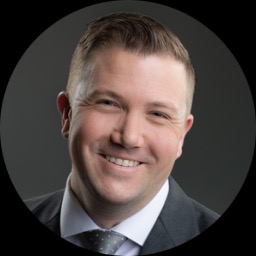
Scott Durkin, LCPC
Licensed in Nevada · 5 years in practice
Scott Durkin is a licensed clinical professional counselor (LCPC) based in Nevada who helps people facing stress, anxiety, relationship strain, trauma and abuse, bipolar disorder, and depression.
License and registration
- LCPC, Nevada
- CP5738 · expires January 2028
- NPI
- 1235804600 · national provider identifier
- Years in practice
- 5
- Languages
- English
Details are as listed on the therapist's public professional profile. You can check any license with the state board and any NPI with the national registry.
About Scott
Scott Durkin is a licensed clinical professional counselor (LCPC) based in Nevada who helps people facing stress, anxiety, relationship strain, trauma and abuse, bipolar disorder, and depression. He writes plainly and listens carefully to understand what is most pressing for each person. Sessions focus on practical steps people can try between appointments.
Scott draws on a range of evidence-based therapeutic techniques to guide his work. He blends talk therapy with skills practice to build coping tools and better communication.
Background and approach
He also addresses issues like abandonment, attachment concerns, codependency, and caregiver stress. His background includes experience leading inpatient group therapy at a behavioral hospital in Reno, where he worked with a wide range of people and clinical presentations. That setting shaped his approach to crisis, stabilization, and teamwork in care.
Scott has five years of clinical experience since earning his LCPC credential. He can include faith perspectives when requested and has completed Prepare/Enrich for premarital and marriage conversations. In sessions he focuses on concrete strategies - breathing and grounding skills, behavior changes, and clearer communication - not just talking about feelings.
Scott aims to make the therapy setting low-pressure and straightforward. He wants clients to feel heard and to leave with tools they can use right away. The work is collaborative, with goals set together and reviewed as progress is made.
Focus areas and approaches
Everything Scott lists on their public professional profile, in their own terms.
- Stress, Anxiety
- Relationship issues
- Trauma and abuse
- Bipolar disorder
- Depression
- Abandonment
- Aging and geriatric issues
- Antisocial personality
- Attachment issues
- Avoidant personality
- Blended family issues
- Caregiver issues and stress
- Codependency
- Communication problems
- Dissociation
- Divorce and separation
- Drug and alcohol addiction
- Emptiness
- Family problems
- Forgiveness
- Guilt and shame
- Impulsivity
- Infidelity
- Isolation / loneliness
- Money and financial issues
- Mood disorders
- Narcissism
- Obsessions, compulsions, and OCD
- Panic disorder and panic attacks
- Paranoia
- Personality disorders
- Postpartum depression
- Post-traumatic stress
- Sexual assault and abuse
- Social anxiety and phobia
- Traumatic brain injury
- Workplace issues
- Young adult issues
Online support
How evidence-based approaches work online
Scott draws from several evidence-based techniques and explains them in plain terms. Cognitive behavioral approaches look at how thoughts, feelings, and actions connect and teach practical exercises to change unhelpful patterns; these are useful for anxiety, depression, and stress. Dialectical skills focus on emotion regulation, distress tolerance, and better interpersonal effectiveness; they help when emotions feel overwhelming or relationships are strained. Choosing the right approach is a collaborative process. The therapist will work with each person to identify goals, try methods that fit their needs, and adjust the plan over time. Clients and the therapist review progress and pick the techniques that feel most useful. Online sessions offer flexibility and practical benefits. Video calls let you see facial cues and practice communication skills together. Phone sessions are a good option when bandwidth is limited or a shorter check-in is needed. Live chat and text-based messaging allow brief check-ins, in-the-moment coaching, and ongoing support between scheduled sessions. These options make it easier to fit therapy into a busy life while keeping the work focused and goal-oriented.We will earn a commission if you sign up through our link, at no cost to you. It does not change what you pay or the order of the listings.
Questions people ask
What concerns does this therapist address?
Scott supports people coping with stress, anxiety, relationship problems, trauma and abuse, bipolar disorder, and depression, along with related issues like abandonment, codependency, and caregiver stress.
What is his therapy style like?
He uses straightforward talk therapy combined with practical skill building so people leave sessions with concrete tools to try between meetings.
How much clinical experience does he have?
He has five years of experience and has led inpatient group therapy in a behavioral hospital setting in Reno, Nevada.
What credentials and location are listed?
He holds an LCPC credential and practices in Nevada.
Which languages and international options are available?
Sessions are offered in English and he is not accepting international clients.
What session formats does he offer?
He provides video calls, phone sessions, live chat, and text-based messaging to suit different needs and schedules.
How are fees and payment handled?
Cost varies with location and therapist availability; sessions use a subscription model that can be canceled at any time.
How do I begin working with him?
Start by selecting the Start Therapy button, complete a short matching questionnaire, and schedule sessions according to therapist availability.
More therapists in Nevada
See allMichelle Kohut
LCPC
Compassionate, practical support for life’s hard moments
- Stress, Anxiety
- LGBT
- Trauma and abuse

Engelbert Mittermayr
LCPC, LPC
Hopeful, practical therapy with an experienced clinician
- Stress, Anxiety
- LGBT
- Trauma and abuse

Danielle Turner
LCPC
Compassionate, practical therapy for life changes
- Stress, Anxiety
- Trauma and abuse
- Parenting

Is this your profile?
Ask us to correct details or take the page down.
Contact us