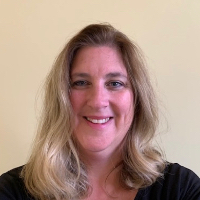
Tara Parisi, LMHC, LCPC
Licensed in Massachusetts · 24 years in practice
Tara Parisi is a licensed mental health counselor with a practical, down-to-earth approach.
License and registration
- LMHC, Massachusetts
- 5406 · expires December 2027
- LCMHC, New Hampshire
- 2300 · expires December 2026
- LCPC, Maine
- CC6074 · expires March 2027
- NPI
- 1790902419 · national provider identifier
- Years in practice
- 24
- Languages
- English
Details are as listed on the therapist's public professional profile. You can check any license with the state board and any NPI with the national registry.
About Tara
Tara Parisi is a licensed mental health counselor with a practical, down-to-earth approach. She uses client-centered work to help people untangle stress, anxiety, relationship struggles, parenting challenges, and trauma. Her manner is friendly and direct, and she focuses on what will make daily life feel better for each person.
With 24 years of experience, Tara blends techniques from Cognitive Behavioral Therapy, narrative ideas, and solution-focused strategies. She listens first, then helps clients set small, achievable goals.
Background and approach
Sessions often include skill practice, problem-solving, and looking at the stories people tell themselves about their lives. She helps people cope with panic attacks, mood problems, obsessive or compulsive behaviors, and life transitions like divorce or career changes. Parenting and family concerns are a frequent focus, including family of origin issues, communication problems, and caregiver stress.
Tara also addresses intimacy-related concerns, grief, guilt, shame, and feelings of isolation. Her style is collaborative and pragmatic. She uses humor and plain language to make therapy easier to understand.
Tara encourages honest feedback about how therapy is going and will help find a different fit if needed. Tara holds an MA and is listed as an LMHC and LCPC. She practices in New Hampshire and works with adults on a range of emotional and practical concerns.
People who want straightforward guidance and practical tools often connect well with her way of working.
Focus areas and approaches
Everything Tara lists on their public professional profile, in their own terms.
- Stress, Anxiety
- Relationship issues
- Family conflicts
- Parenting issues
- Self esteem
- Trauma and abuse
- Intimacy-related issues
- Anger management
- Career difficulties
- Coping with life changes
- ADHD
- Caregiver issues and stress
- Commitment issues
- Communication problems
- Control issues
- Divorce and separation
- Emptiness
- Family of origin issues
- Family problems
- Forgiveness
- Guilt and shame
- Isolation / loneliness
- Jealousy
- Mood disorders
- Obsessions, compulsions, and OCD
- Panic disorder and panic attacks
- Postpartum depression
- Post-traumatic stress
- Self-love
- Social anxiety and phobia
- Women's issues
- Workplace issues
Approaches Tara names
- Client-Centered Therapy
- Cognitive Behavioral Therapy (CBT)
- Narrative Therapy
- Solution-Focused Therapy
- Trauma-Focused Therapy
Naming an approach is not evidence of training in it. This directory copies what each therapist lists and does not check training records.
Online support
How Tara’s approaches work online and in sessions
Tara uses Cognitive Behavioral Therapy to help people identify unhelpful thinking patterns and change behaviors that keep problems going. CBT is often helpful for anxiety, panic, mood issues, and obsessive thinking because it teaches concrete coping skills.She also draws on Client-Centered Therapy, which focuses on listening closely, reflecting back what someone says, and building on each person’s strengths. This approach supports people working through relationship concerns, self-esteem, and life transitions by making the therapist-client relationship the main tool for change.
Finding the right approach is a team effort. Tara will talk with the client about goals, try a few strategies, and adjust based on what is working. That collaborative process helps decide whether CBT, client-centered work, narrative elements, or solution-focused moves fit best.
Online formats include video calls, phone sessions, live chat, and text-based messaging to suit different needs. Video lets people work face-to-face when a visual connection matters. Phone sessions can be easier when internet bandwidth is limited. Live chat and text messaging work well for brief check-ins, short goal-setting, or when writing helps process thoughts. These options make it easier to fit therapy into a busy life and to try approaches that match individual preferences.
We will earn a commission if you sign up through our link, at no cost to you. It does not change what you pay or the order of the listings.
Questions people ask
What kinds of problems does Tara help with?
She supports people facing stress, anxiety, relationship and parenting concerns, trauma and abuse, self-esteem problems, and life transitions.
What is her therapy style like?
Her style is client-centered and collaborative, using clear language, listening first, and helping clients set small, practical goals.
How long has she practiced?
Tara has 24 years of experience working in counseling and psychotherapy with adults on a variety of issues.
Where is she based and what are her credentials?
She practices in New Hampshire and holds an MA with credentials listed as LMHC and LCPC.
Are sessions available in other languages or internationally?
Sessions are offered in English and she is not taking international clients at this time.
Which session formats are offered?
Therapy is available via video calls, phone sessions, live chat, or text-based messaging to fit different schedules and needs.
How are fees and subscriptions handled?
Cost varies by location and therapist availability; sessions use a subscription model that can be canceled at any time.
What should I do to begin working together?
Click the Start Therapy button, complete a short matching questionnaire, and schedule sessions based on therapist availability.
Is this your profile?
Ask us to correct details or take the page down.
Contact us