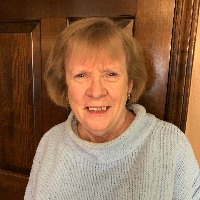
Troy Gibson
LCPC
Straightforward counseling for stress and relationships
- Stress, Anxiety
- LGBT
- Relationship
Illinois 10 yrs
Clinical social work directory
264 therapists list family of origin issues among the things they work with. All offer sessions online, and every profile shows the registering body, the membership number and when it runs to.
This page lists therapists who work with family of origin issues, from patterns formed in childhood to intergenerational dynamics that affect adult life. Browse the therapist profiles below to compare focus areas, approaches, credentials, languages, and experience and find a good fit for your needs.
LCPC
Straightforward counseling for stress and relationships
LCPC
Compassionate, practical support for changing inner dialogue
MD, LCPC, LPCC
Insight-driven counselor focused on relationships
LCPC
Compassionate, practical support for life’s hard moments
LCPC
Compassionate guidance for life's hard moments
LCPC
Therapist focused on practical support and growth
LCPC, LPC
Hopeful, practical therapy with an experienced clinician
LCPC
Compassionate counseling for practical change
LCPC
Experienced Illinois LCPC focusing on healing and practical change
LCPC
Calm, practical counseling for everyday challenges
LCPC
Compassionate counselor for addiction and trauma recovery
LCPC
Calm, experienced counselor focused on practical change
LPC, LCPC
Practical, client-centered therapy for overwhelmed adults
LCPC
Practical, respectful counseling for everyday struggles
LCPC
Helping people move past stress and rebuild confidence
LCPC
Compassionate, practical therapy for life changes
LCPC
Compassionate, practical support for life changes
LCPC
Therapist blending practical tools and listening
LCPC
Compassionate counselor focused on steady progress
LCPC
Practical support for stress and relationship challenges
LCPC
Practical support for stress and life changes
LCPC
Helping people find steady, practical paths forward
LMHC, LCPC
Compassionate counselor for life transitions
LCPC
Experienced counselor for practical coping strategies
LCPC, LPC
Compassionate counselor focused on practical change
LMHC, LCPC
Calm, clear support for life’s hard moments
LCPC, LPC
Practical, steady support for stress and addiction
LCPC
Compassionate, practical counseling for everyday struggles
LCPC
Guided practical therapy for everyday challenges
LPC, LCPC
Compassionate, practical counseling for everyday challenges
LPC, LCPC
Compassionate help for addiction and trauma recovery
LCPC
Practical, person-focused counseling for life challenges
MD, LCPC
Skilled therapist for mood and relationship struggles
LCPC
Experienced counselor focused on practical skills
MD, LCPC
Practical, steady support for life changes
LCPC
Practical, evidence-based support for life stressors
LPC, LCPC
Calm practical help for stress and trauma
LCPC
Support for stress and relationships
LCPC
Helping people reshape relationships and confidence
LCPC
Compassionate counselor focused on practical change
MD, LCPC
Empathetic clinician focused on practical change
MD, LCPC
Experienced Maryland counselor focusing on practical change
MD, LCPC
Calm, practical therapy for life transitions
LPC, LCPC
Practical strategies for lasting life changes
Some links on this page are partner links. We will earn a commission if you sign up through one, at no cost to you. It does not change what you pay or the order of the listings.
Family of origin issues refer to the patterns, beliefs, roles, and emotional habits that develop in the household where you grew up. These dynamics shape how you relate to others, manage emotions, and make decisions. They can include expectations about roles, ways of expressing anger or affection, rules about success and failure, and how conflict is handled. Because these influences begin early, they often feel normal or inevitable until you begin to notice repeated difficulties in relationships, work, or self-concept.
The effects of family of origin issues can show up in many parts of life. You might find yourself repeating the same relationship patterns you experienced as a child, feeling overly responsible for others, or struggling to set boundaries. Some people carry shame, anxiety, or an inner critical voice that echoes messages from caregivers. Others discover that unresolved grief, loyalty conflicts, or unspoken family rules limit their choices. Understanding these roots does not blame your family, but it can help you see how early experiences continue to shape your reactions and habits.
You might consider seeking help if you notice recurring patterns that you want to change but cannot shift on your own. Common signs include repeating relationship cycles, difficulty trusting or connecting with partners, chronic people-pleasing or avoidance, and ongoing conflict with family members that drains your energy. You may also experience strong emotional reactions that seem disproportionate to the situation, which can indicate that present-day triggers are tied to past experiences.
Sometimes the signs are less dramatic but equally important - a sense of being stuck in your career, trouble asserting your needs, or a persistent belief that you are flawed in ways you cannot fix. If family celebrations or discussions often leave you upset, or if you find yourself taking on caretaking roles you did not choose, therapy can offer a space to examine those patterns. Seeking help is useful whether you want to repair relationships, reduce emotional reactivity, or simply understand yourself more clearly.
Therapy for family of origin work usually begins with building a thoughtful, steady relationship with a therapist who helps you map the influences from your past. Early sessions often focus on listening to your story, identifying recurring themes, and exploring the family roles and expectations that shaped you. You can expect questions about your childhood relationships, significant events, and the rules that governed emotional life in your family. This background sets the stage for targeted work and helps you and your therapist identify patterns to address.
As therapy progresses, you may trace how these patterns show up in current relationships and experiment with new ways of responding. Some sessions emphasize emotional processing - naming feelings, tolerating discomfort, and reorganizing how you relate to painful memories. Other work may focus on skills for clearer communication, boundary setting, and problem solving, depending on your goals. Therapy is not a quick fix; it is a paced process where you learn to recognize old scripts, try different behaviors, and consolidate changes so new patterns become more automatic.
In early sessions you and your therapist will often create a plan that balances understanding the past with practical changes in the present. That plan might include short-term goals like reducing reactivity during family interactions and longer-term goals such as reshaping your sense of identity apart from family roles. A clear plan helps you see progress and keeps meetings focused on what matters most to you.
Later sessions typically involve integrating insights into everyday life. You may practice new communication strategies, revisit boundaries with family members, or work on resolving grief or anger tied to earlier experiences. The goal is to move from insight to sustained behavioral change so that you can navigate relationships with greater agency and less emotional cost.
Therapists use a range of approaches to address family of origin work, often combining methods to fit your needs. Psychodynamic and attachment-informed approaches focus on how early bonds influence adult relationships and aim to bring unconscious patterns into awareness so you can choose differently. Family systems work looks at roles and interactions across family members and may use tools like genograms to map patterns across generations.
Cognitive-behavioral approaches help you identify and shift beliefs and behaviors that maintain painful patterns. Emotion-focused work supports you in recognizing, expressing, and regulating difficult emotions that stem from family interactions. Narrative approaches invite you to re-author the stories you tell about yourself and your family, highlighting strengths and alternate perspectives. You may also find therapists who list internal family systems - IFS - among their approaches, or therapists who list EMDR among their approaches, especially when painful memories are prominent. When reviewing profiles, look for descriptions that explain how an approach might help you rather than assuming any single label guarantees a specific outcome.
Online therapy can be an effective way to work on family of origin issues because it offers flexibility and the chance to meet with someone who has relevant experience even if they are not nearby. Sessions typically occur through video or phone, and the format allows for the same kinds of exploration you would find in person - telling your story, processing emotions, and practicing new ways of relating. For some people, being in your own home can make it easier to access memories and emotions; for others, a different setting may be preferable. When choosing online therapy, consider how comfortable you feel expressing vulnerability over a screen and whether the therapist describes methods that fit your goals.
Think about logistics like session length, frequency, and communication style. Ask whether the therapist describes their approach to family of origin work in ways that resonate with you - for example, some people prefer therapists who emphasize emotional processing, while others want a skills-based focus. Also consider language needs and cultural understanding, because family patterns are shaped by cultural values and expectations. Profiles often list languages and cultural areas of focus, which can help you find a match who understands your background.
Choosing a therapist is a personal process and it helps to prioritize fit. Start by reading profiles to compare focus areas, approaches, credentials, languages, and experience. Pay attention to how a therapist describes their work with family of origin issues - is the description more exploratory, skills-oriented, or systems-based? You can also look for signals about approachability and how they describe collaboration. Early interactions such as introductory messages can tell you whether their communication style feels supportive and clear.
Trust your sense of comfort and safety when making a choice. It is appropriate to change therapists if the fit does not feel right. Therapy is most effective when you feel able to bring difficult material to the space and trust that the process will help you make meaningful changes in relationships and self-understanding. Taking time to find a therapist whose approach aligns with your goals increases the likelihood that your work on family of origin issues will be both insightful and practical.
Working through family of origin issues is often challenging but it can lead to greater self-awareness, improved relationships, and more freedom to shape the life you want. Use the listings on this page to explore therapists who describe work in this area, and choose someone whose approach and background match the kind of change you are seeking.