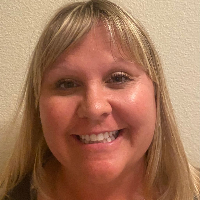
Glen Ensinger
LPC, LCPC
Practical, strength-focused counseling for life changes
- Stress, Anxiety
- Addictions
- Trauma and abuse
Colorado 21 yrs
Clinical social work directory
10 therapists in this directory hold a licence issued in Colorado. Sessions are online; a therapist can normally only see people located in a state where they hold a licence, so check the credentials panel on each profile. LCPC and LPC are the same licence under different state names.
Welcome to our Colorado directory for licensed online therapists. Every professional listed here holds a valid Colorado license to practice. Explore profiles to compare approaches, languages, and clinical focus areas that match your needs.
LPC, LCPC
Practical, strength-focused counseling for life changes
LPC, LCPC
Practical, goal-focused counseling with warmth
LPC, LCPC
Compassionate, practical counseling for everyday challenges
LPC, LCPC
Compassionate help for addiction and trauma recovery
LPC, LCPC
Practical, steady counseling for life challenges
LCPC, LPC
Compassionate counselor for life transitions
LCPC, LPC
Practical support for addiction and anxiety recovery
LPC, LCPC
Hope-focused counselor for mood and life changes
LPC, LCPC
Practical, compassionate therapy for life changes
LPC, LCPC
Practical counseling for everyday struggles
Some links on this page are partner links. We will earn a commission if you sign up through one, at no cost to you. It does not change what you pay or the order of the listings.
Online therapy has become a common option for people across Colorado, connecting residents in mountain towns, suburban neighborhoods, and urban centers with licensed counselors and therapists. If you live in Colorado you will find practitioners who offer teletherapy sessions by video or phone, which can reduce travel time and make it easier to fit counseling into a busy schedule. Many therapists describe the formats they use on their profiles, noting whether they work with video, phone, or a mix of both. Because regulations and practice norms continue to evolve, you will see a range of approaches and service models reflected in the directory profiles. The most important thing is that every therapist listed here holds a Colorado license, so when you find a professional whose background and focus align with your needs, you can review their profile details to see if the way they work suits you.
In practical terms, online therapy sessions look similar to in-person sessions from a conversation standpoint - you meet with a therapist for a scheduled period, discuss goals and concerns, and work on strategies to address them. Sessions may be offered in weekly or biweekly rhythms and can be shorter or longer depending on what you and the therapist agree on. Technology plays a role in how you connect, so many therapists will describe the video platforms they use and any prerequisites, such as having a reliable internet connection and a quiet, comfortable room for sessions. You can also find therapists who highlight working with specific populations, life stages, or presenting concerns, which helps you narrow down options before you reach out to learn more.
Online therapy offers several practical advantages that can be especially meaningful in a state with both dense and remote regions. For people who live far from urban centers, teletherapy removes the need for long drives over mountain roads. For those balancing work, school, or family responsibilities, it can make scheduling easier and reduce the time commitment involved in attending sessions. You may also find it more straightforward to continue care when you travel within the state, provided your therapist's licensure and practice policies allow it. Many people appreciate the convenience of attending a session from a familiar environment, which can make it easier to focus on topics that matter to you.
Another benefit is the increased access to therapists who work with specific issues or populations. If you are looking for someone who works with adolescents, perinatal mental health, chronic illness adjustment, or a particular therapeutic approach, online formats expand the pool of professionals you can consider. This can help you find closer alignment between your needs and a therapist's focus areas and experience. Online therapy may also support continuity of care; if you move within Colorado or have unpredictable schedules, keeping sessions virtual can maintain momentum in your therapeutic work.
Online therapists in Colorado address a wide range of concerns similar to what you would find in traditional in-person practice. Many profiles list work with anxiety, depression, relationship challenges, stress related to work or school, grief, and life transitions. You may also find therapists who specialize in issues such as trauma, behavioral health integration, parenting and family dynamics, substance use concerns, or coping with chronic medical conditions. When viewing profiles, pay attention to the language therapists use to describe their focus areas to see if they explicitly mention the issue you want to address.
Therapists often list the therapeutic approaches they use to guide sessions. To avoid implying formal certification or training beyond what a profile indicates, you will see phrasing such as therapists who list EMDR among their approaches or therapists who describe using cognitive-behavioral strategies. These descriptions give you a sense of the therapeutic tools a therapist prefers, but they do not substitute for a conversation you might have about how those tools are used in practice. If a particular method appeals to you, look for profiles that mention that approach and then ask the therapist how they integrate it into their work during an initial conversation.
When you find a therapist whose profile interests you, it is wise to verify licensure through the official state resources. The Colorado Department of Regulatory Agencies maintains a license lookup where you can confirm a counselor's license type, status, and any disciplinary history that may be on record. On a license record you will commonly see the license category, the date of issuance, current standing, and any public actions. This information helps you confirm that the professional is authorized to practice in Colorado and provides transparency about their regulatory status. Searching by the therapist's name or license number yields the most direct results.
When reviewing a license record, note whether the license is active and the license class, such as clinical counselor categories that may be used in Colorado. Look at the issuance and renewal dates to understand how long the license has been held. If there are disciplinary actions or public orders listed, the record will usually explain the nature and status of those actions. If you have questions about what you see, you can contact the regulatory agency for clarification. Verifying licensure is an important step in choosing a therapist because it confirms that the practitioner meets state requirements for education, supervised experience, and legal practice authority.
Getting started typically begins with a focused search of therapist profiles to identify people who list relevant approaches, populations, and languages. Once you find candidates, reach out using the contact method the therapist prefers to request an initial conversation. Many therapists offer a brief introductory call or intake meeting to discuss goals, ask questions about how they work, and clarify practical matters such as session length, fees, and payment methods. In that first contact you can also ask how they structure teletherapy sessions and what to expect in terms of communication between sessions.
Before your first session, choose a quiet, comfortable room where you can speak without interruption. Test your device, camera, and microphone ahead of time to reduce technical stress. Make a list of topics you want to address so you can prioritize them during the session, and consider how you will track progress - some people find journaling or brief notes between sessions helpful. It is also appropriate to ask the therapist about their privacy practices for online sessions and how they handle record keeping and emergency procedures, so you know what to expect while you are working together.
Choosing a therapist is a personal decision that combines practical fit with personal rapport. Start by looking for therapists who list experience with your presenting concerns and who describe approaches that resonate with you. Consider credentials and licensure information, the populations a therapist mentions, and any language abilities that matter to you. You might also pay attention to a therapist's stated values or identity-focused experience if those factors are important to your comfort and cultural fit.
When you speak with a therapist for the first time, ask how they typically work with clients like you and what a few early goals might look like. You can ask about session length, the expected frequency of meetings, and how they measure progress. It is appropriate to discuss fees, insurance participation, and any sliding scale options. Remember that rapport matters - if you do not feel understood or comfortable after a few sessions, it is reasonable to discuss this with the therapist or look for another clinician whose style complements yours. Your goal is to find someone who helps you make meaningful progress while respecting your needs and preferences.
Searching for an online therapist in Colorado involves balancing practical details with personal comfort. Use profile information to narrow choices by approach, focus area, language, and licensure, and then use an initial conversation to clarify how a therapist works and whether their style fits you. Teletherapy can open up options across the state and help you maintain continuity in your mental health care. Take your time, ask questions, and choose a therapist whose profile and responses make you feel understood and supported in reaching your goals.