
John Engebretson, LPC, LCPC
Licensed in Ohio · 20 years in practice
John Engebretson is a licensed professional counselor (LPC) with two decades of experience helping people manage stress, anxiety, depression, and related struggles.
License and registration
- LPCC, Ohio
- E.1200023 · expires September 2026
- LPC, Colorado
- 0004641 · expires August 2027
- LCPC, Montana
- BBH-LCPC-LIC-1108 · expires December 2026
- NPI
- 1821129230 · national provider identifier
- Years in practice
- 20
- Languages
- English
Details are as listed on the therapist's public professional profile. You can check any license with the state board and any NPI with the national registry.
About John
John Engebretson is a licensed professional counselor (LPC) with two decades of experience helping people manage stress, anxiety, depression, and related struggles. He practices from Colorado and brings a straightforward, respectful style to sessions. John focuses on clear goals and practical steps that fit everyday life.
He often uses Cognitive Behavioral Therapy to help people change unhelpful thinking and behavior patterns. He also draws on Client-Centered Therapy to create a warm, listening space where clients shape the pace and priorities.
Background and approach
Motivational Interviewing is used when people want help with change and need to build momentum. John has worked in community-based settings and has experience with grief, trauma and abuse, addiction and impulse-control issues, and relationship and communication problems. He also supports people dealing with parenting strain, career transitions, bipolar disorder, sleeping difficulties, and caregiver stress.
Additional areas he addresses include aging and geriatric issues, autism and Asperger syndrome, intellectual disability, family of origin concerns, codependency, and feelings of guilt or shame. He aims to avoid labels and instead focuses on what each person needs right now. Sessions are collaborative and practical.
John helps people identify small, achievable steps and tracks progress over time. He encourages people who are ready to change to take the first step and offers steady, nonjudgmental support along the way.
Focus areas and approaches
Everything John lists on their public professional profile, in their own terms.
- Stress, Anxiety
- Anger management
- Self esteem
- Depression
- Addictions
- Relationship issues
- Family conflicts
- Trauma and abuse
- Grief
- Sleeping disorders
- Parenting issues
- Career difficulties
- Bipolar disorder
- Coping with life changes
- Aging and geriatric issues
- Autism and Asperger Syndrome
- Caregiver issues and stress
- Co-morbidity
- Codependency
- Commitment issues
- Communication problems
- Control issues
- Dependent personality
- Family of origin issues
- Family problems
- Forgiveness
- Guilt and shame
- Impulsivity
- Intellectual disability
- Isolation / loneliness
- Life purpose
- Men's issues
- Midlife crisis
- Money and financial issues
- Mood disorders
- Narcissism
- Obsessions, compulsions, and OCD
- Panic disorder and panic attacks
- Paranoia
- Phobias
- Self-love
- Social anxiety and phobia
- Workplace issues
Approaches John names
- Client-Centered Therapy
- Cognitive Behavioral Therapy (CBT)
- Existential Therapy
- Mindfulness Therapy
- Motivational Interviewing
- Solution-Focused Therapy
Naming an approach is not evidence of training in it. This directory copies what each therapist lists and does not check training records.
Online support
How these approaches translate to online therapy
Client-Centered Therapy focuses on listening closely and following the client's lead. In online sessions this means the therapist reflects what matters most to the person and helps set the agenda each week. It suits issues that benefit from a steady, empathic conversation such as relationship stress or grief.Cognitive Behavioral Therapy (CBT) helps people identify and change unhelpful thoughts and behaviors. Online CBT often uses practical exercises, homework, and real-time problem solving that translate well to video or messaging formats. It can help with anxiety, depression, sleep problems, and coping with life changes.
Motivational Interviewing is a conversational method for building readiness to change. The therapist asks focused questions and supports small steps when someone is unsure about change, such as reducing substance use or improving routine care for a loved one.
Finding the right mix of approaches is part of the work. The therapist will talk with the client about goals and preferences, then tailor methods and pacing together. That collaborative decision-making helps keep sessions relevant and workable.
Online therapy offers real flexibility. Video calls allow face-to-face conversation and visual cues. Phone sessions are lower bandwidth and can fit a break at work. Live chat and text-based messaging let people check in between sessions or use brief check-ins when a longer call is not possible. These options make it easier to keep therapy consistent while juggling daily life.
We will earn a commission if you sign up through our link, at no cost to you. It does not change what you pay or the order of the listings.
Questions people ask
What concerns does John commonly address?
He helps people with stress, anxiety, depression, addiction and impulse-control concerns. He also works on relationship problems, parenting strain, trauma and grief, and sleep or career challenges.
What is his therapeutic style like?
Sessions are warm and interactive, focused on respectful listening and practical steps. He combines client-centered listening with approaches that target thoughts, behaviors, and motivation.
How much experience does he have?
He has 20 years of counseling experience, much of it in community-based settings working with a wide range of concerns.
What credentials and region are listed?
John holds the LPC credential and the LCPC credential and is based in Colorado.
In which language are sessions offered?
Sessions are offered in English and he accepts international clients.
What session formats are available?
He provides video calls, phone sessions, live chat, and text-based messaging to match different needs and schedules.
How is cost handled?
Cost varies by location and therapist availability, and sessions use a subscription that can be canceled at any time.
How do I begin working with him?
Click the Start Therapy button, complete a short matching questionnaire, and schedule based on therapist availability.
More therapists in Colorado
See allGlen Ensinger
LPC, LCPC
Practical, strength-focused counseling for life changes
- Stress, Anxiety
- Addictions
- Trauma and abuse

Christine O'Neill
LPC, LCPC
Practical, goal-focused counseling with warmth
- Stress, Anxiety
- Addictions
- Relationship
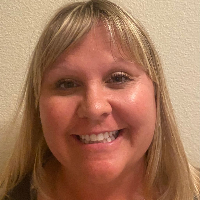
Susanne Neal
LPC, LCPC
Compassionate help for addiction and trauma recovery
- Addictions
- Trauma and abuse
- Self esteem

Terese Jeppson
LPC, LCPC
Practical, steady counseling for life challenges
- Stress, Anxiety
- Addictions
- Family

Is this your profile?
Ask us to correct details or take the page down.
Contact us