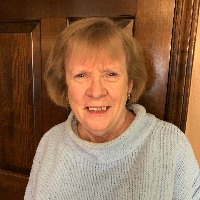
Maria "Patti" Lorenzo
LCPC
Compassionate, practical support for changing inner dialogue
- Trauma and abuse
- Self esteem
- Coping with life changes
Illinois 12 yrs
Clinical social work directory
134 therapists list adoption among the things they work with. All offer sessions online, and every profile shows the registering body, the membership number and when it runs to.
Explore profiles of therapists who work with adoption-related concerns for adoptees, birth parents, and adoptive families. Browse the listings below to review approaches, languages, and experience as you look for the right match.
LCPC
Compassionate, practical support for changing inner dialogue
LPC, LCPC
Warm, practical counseling for life transitions
LCPC
Practical, compassionate counseling for everyday struggles
LCPC
Experienced Illinois LCPC focusing on healing and practical change
LCPC, LPC
Compassionate, practical counseling for life changes
LCPC
Compassionate counselor for relationships and life changes
LCPC
Calm, experienced counselor focused on practical change
LPC, LCPC
Practical, client-centered therapy for overwhelmed adults
LCPC
Practical trauma-informed counseling for adults
LPC, LCPC
Practical guidance for stress and life changes
LCPC
Therapist blending practical tools and listening
LCPC
Experienced Maine counselor focused on practical support
LCPC
Practical support for stress and relationship challenges
LCPC
Practical support for stress and life changes
LCPC
Experienced counselor for practical coping strategies
LCPC
Practical guidance for steady personal change
LCPC, LPC
Compassionate counselor focused on practical change
LCPC
Guided practical therapy for everyday challenges
LCPC
Practical, person-focused counseling for life challenges
LCPC, LPC
Practical, down-to-earth counseling for life challenges
MD, LCPC
Experienced Maryland counselor focusing on practical change
LCPC
Compassionate therapy grounded in faith and practical skills
LCPC
Practical, person-centered counseling for life changes
LCPC
Practical, person-centered care for everyday struggles
LCPC
Practical, respectful support for change
LCPC
Compassionate, practical help for daily struggles
LCPC, LPC
Experienced counselor focused on practical change
LCPC
Easing anxiety and building everyday strength
LCMHC, LCPC
Supportive counselor using practical therapies
LCPC
Practical, steady support for everyday challenges
LCPC
Compassionate practical therapy for recovery and relationships
LCPC
Practical, steady support for life’s hard moments
LPC, LCPC
Compassionate counselor blending therapy and coaching
LCPC
Warm Montana counselor focusing on practical coping skills
LCPC, LMHC
Compassionate counselor for life’s big challenges
LCPC
Compassionate, practical counseling for life changes
LCPC, LMHC
Compassionate clinician blending counseling and pastoral care
LCPC, LPCC
Practical support for stress, trauma, and family concerns
MD, LCPC
Compassionate clinician blending medical and counseling care
Some links on this page are partner links. We will earn a commission if you sign up through one, at no cost to you. It does not change what you pay or the order of the listings.
Adoption is a meaningful and complex life event that can shape identity, relationships, and emotional outlook across a lifetime. Whether you are an adoptee navigating questions about origin and belonging, an adoptive parent learning how to support attachment and behavior, or a birth parent processing loss and transition, the emotional landscape is varied. You might experience relief and joy alongside grief, uncertainty, or a sense of being disconnected from parts of your history. These responses are normal and they can show up at different stages of life - during childhood, in adolescence, or later as an adult curious about origins or relationships with family members.
Many people find that adoption brings practical questions as well as emotional ones. You may face unique stressors related to identity, race or culture, reunification efforts, or the logistics of open adoption arrangements. If you are parenting a child who was adopted, you may wonder how to talk about adoption in age-appropriate ways, how to handle difficult behavior rooted in trauma or loss, or how to support a child through curiosity about their birth family. Understanding the common themes that accompany adoption - identity, attachment, loss, and curiosity - can help you know what to look for in therapeutic support and what kinds of outcomes you might hope to work toward.
Not everyone who has been touched by adoption needs ongoing therapy, but there are clear signs that professional support can be helpful. If you notice lingering questions about identity that interfere with daily life, persistent feelings of shame or disconnection, or symptoms of anxiety or depression that seem related to adoption history, therapy can provide tools and perspective. Children and adolescents may show behavior changes, intense anger, or difficulty forming supported attachments with caregivers. Parents can feel overwhelmed by behavioral challenges or unsure how to help a child process contact with birth family members.
Other indicators include recurring dreams or intrusive thoughts about birth origins, difficulty trusting caregivers or institutions, and strain in romantic or family relationships connected to adoption narratives. You may also seek help during life transitions - for example when an adoptee reaches adulthood and begins to search for biological relatives, or when an adoptive family navigates reunification. If these experiences leave you feeling stuck, therapy can offer guided exploration, coping strategies, and practical tools for communication and relationship repair.
When you begin adoption-focused therapy, the first sessions often emphasize building rapport and creating a safe setting for discussion. Your therapist will likely ask about your adoption story, family history, and current concerns to understand how adoption factors into your emotional life. You can expect sessions to move at a pace that honors your readiness to explore sensitive topics. For children, sessions may include play-based techniques or family sessions that involve parents to strengthen attachment and develop consistent parenting strategies.
Therapists often work collaboratively with you to set goals, which may include processing grief, improving communication with family members, developing a stronger sense of identity, or addressing behavioral challenges. You will likely practice new skills between sessions, such as ways to talk about adoption with family members, grounding techniques to manage distress, or routines that promote emotional regulation. Over time, therapy aims to give you tools to integrate adoption-related experiences into a coherent narrative so that curiosity, loss, and identity questions can coexist without overwhelming daily functioning.
Family sessions can be a major component of adoption-focused care. In these sessions you and other family members can explore patterns of interaction, attachment challenges, and ways to support the adoptee's developing sense of self. The therapist may help shape conversations so they are age-appropriate and reduce the risk of retraumatizing or confusing family members. The goal is often to strengthen relationships and provide parents with strategies they can use between sessions.
Adolescents and adults may move between individual work and family or reunification sessions depending on needs. For older adoptees, therapy might focus on identity exploration, connecting with biological relatives, or resolving lingering questions about the adoption process. You should expect a collaborative plan that respects your autonomy and pace as you navigate these topics.
Therapists draw on a range of approaches when working with adoption-related concerns. Many practitioners integrate attachment-based perspectives to address bonding and relationship patterns, especially when working with young children and parents. Some therapists emphasize trauma-informed care to recognize how early losses or disruptions influence behavior and emotional responses. You may come across therapists who list EMDR among their approaches; in those cases, they describe it as one possible method for processing distressing memories. Cognitive-behavioral techniques are often used to help with anxiety, depression, and skills-building around communication and emotion regulation.
Other modalities that you might encounter include narrative therapy, where you explore and reshape the stories you tell about your adoption journey, and family systems work, which looks at how roles and expectations within a family affect individual members. Play therapy can be helpful with younger children to give them language for feelings, while relational approaches focus on building trust and attachment with caregivers. When reviewing profiles, pay attention to how therapists describe their approaches and whether they explicitly mention working with adoption-related themes, cultural identity, or reunification processes.
Online therapy can be a practical option if you are seeking adoption-focused support and want flexibility in scheduling or access to therapists who specialize in adoption far from your home. Virtual sessions often use video to preserve nonverbal cues, which is important when addressing sensitive material or working with families. Therapists may adapt techniques for the screen - for example, guiding parents through in-home exercises or using shared documents to plan conversations about adoption. If you plan to include children, discuss technology comfort, attention span, and whether the therapist uses screen-adapted play tools.
When choosing a therapist for adoption work, consider the fit between your needs and the therapist's stated focus areas. Look for therapists who explicitly mention adoption themes, attachment, reunification, or cultural identity in their profiles. Note the approaches they list and think about which styles resonate with you - whether you prefer a skills-based approach, narrative exploration, or relational work. Language and cultural understanding can matter a great deal in adoption contexts, especially if cultural heritage, race, or immigration status are relevant to your story. You may want to prioritize therapists who list experience working with diverse family structures or who speak the language of your family.
It helps to prepare a brief list of priorities before you reach out - for example, whether you want parenting support, help with identity exploration, assistance with reunification conversations, or tools for managing trauma reactions. During your first few sessions you can ask how the therapist typically approaches adoption-related goals and how they involve family members when appropriate. Trust your sense of whether the therapist listens to your concerns and tailors the work to your values. Finding the right match can make it easier to process complex feelings and move toward clearer communication, stronger relationships, and a more integrated sense of identity.