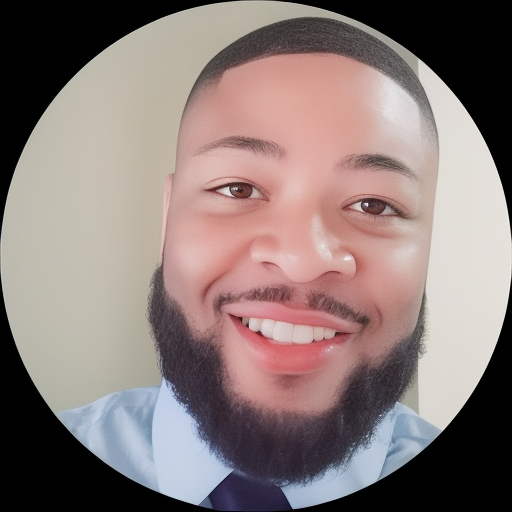
Shawntrell Moore, LCPC
Licensed in Illinois · 17 years in practice
Shawntrell Moore helps people who are weighed down by stress, anxiety, addiction, relationship strain, or past trauma.
License and registration
- LCPC, Illinois
- 180.014761 · expires March 2027
- NPI
- 1588050611 · national provider identifier
- Years in practice
- 17
- Languages
- English
Details are as listed on the therapist's public professional profile. You can check any license with the state board and any NPI with the national registry.
About Shawntrell
Shawntrell Moore helps people who are weighed down by stress, anxiety, addiction, relationship strain, or past trauma. He speaks plainly about next steps and focuses on small, clear changes that make daily life easier. Shawntrell is a Licensed Clinical Professional Counselor, and he brings 17 years of experience to his work in Illinois.
He aims to help clients notice unhelpful thoughts and habits. Sessions focus on building coping skills, increasing self-awareness, and making actionable plans.
Background and approach
Shawntrell often guides people through steps that reconnect behavior with personal values and goals. When addiction or early recovery is part of the story, he offers practical strategies and recovery coaching alongside therapy. He also works with people affected by adoption and foster care, attachment challenges, and caregiver stress.
Relationship topics include communication, commitment, blended family issues, and separation or divorce. Shawntrell uses trauma-informed methods to address emotional wounds and dissociation. He draws on approaches such as cognitive behavioral techniques, dialectical strategies, and motivational interviewing to help clients try different ways of coping.
The focus is on what helps in day-to-day life rather than on labels. People who reach out can expect straightforward planning and tools they can use between sessions. Shawntrell emphasizes collaboration and practical steps so clients can track progress.
He offers services remotely and tailors sessions to individual needs and life rhythms.
Focus areas and approaches
Everything Shawntrell lists on their public professional profile, in their own terms.
- Stress, Anxiety
- Addictions
- Relationship issues
- Family conflicts
- Trauma and abuse
- Abandonment
- Adoption and foster care
- Attachment issues
- Blended family issues
- Body image
- Caregiver issues and stress
- Codependency
- Commitment issues
- Communication problems
- Control issues
- Dissociation
- Divorce and separation
- Domestic violence
- Drug and alcohol addiction
- Emptiness
- Family of origin issues
- Family problems
- Fatherhood issues
- First responder issues
- Guilt and shame
- HIV / AIDS
- Impulsivity
- Infidelity
- Jealousy
- Life purpose
- Men's issues
- Midlife crisis
- Mood disorders
- Multicultural concerns
- Narcissism
- Post-traumatic stress
- Prejudice and discrimination
- Process addiction (porn, exercise, gambling)
- Seasonal Affective Disorder (SAD)
- Self-harm
- Self-love
- Sex addiction
- Sexual assault and abuse
- Smoking / vaping cessation
- Women's issues
- Workplace issues
- Young adult issues
Online support
How evidence-based methods work online
Shawntrell often uses cognitive behavioral techniques to help people spot and change unhelpful thoughts and behaviors. These methods break problems into smaller parts and teach skills that can be practiced between sessions, which is useful for anxiety, stress, and addiction-related patterns.He also draws on dialectical behavior strategies that focus on emotion regulation, distress tolerance, and better interpersonal skills. Those techniques help when emotions feel overwhelming or communication keeps causing conflict.
Finding the right approach is part of therapy. Shawntrell works collaboratively to pick techniques that match a person's goals, needs, and daily rhythm. He reviews progress and adjusts the plan so sessions stay relevant and practical.
Online formats include video calls, phone sessions, live chat, and text-based messaging. Video sessions allow face-to-face conversation and visual cues. Phone sessions are useful when bandwidth is low or when someone prefers not to be on camera. Live chat and messaging can work for quick check-ins, ongoing coaching, and brief skills practice between longer sessions.
These options make it easier to fit therapy into work, family, or recovery schedules and support consistent follow-through on goals.
We will earn a commission if you sign up through our link, at no cost to you. It does not change what you pay or the order of the listings.
Questions people ask
What concerns does Shawntrell address?
He works with stress, anxiety, addictions, relationship strain, family concerns, and trauma and abuse. Additional focus areas include attachment, adoption and foster care issues, caregiver stress, and body image.
What is the therapist's approach to therapy?
He uses straightforward, evidence-informed methods to help people change unhelpful thoughts and habits. Sessions emphasize skills, insight, and practical plans that fit daily life.
How much experience does he have?
He brings 17 years of clinical experience working with people facing addiction, trauma, and relationship challenges.
What credentials and location are listed?
He is a Licensed Clinical Professional Counselor (LCPC) licensed in Illinois and practices with that credential in the state.
Which languages and international options are available?
Sessions are offered in English. He is not accepting international clients at this time.
In what session formats does he work?
He provides video calls, phone sessions, live chat, and text-based messaging depending on the client's needs and situation.
How is cost handled for sessions?
Cost varies with location and therapist availability and uses a subscription model that can be canceled at any time.
What are the first steps to begin therapy?
Use the Start Therapy button, complete a short matching questionnaire, and then schedule sessions based on the therapist's availability.
More therapists in Illinois
See allCrystal Williams
LCPC
Practical support for stress and life transitions
- Stress, Anxiety
- Grief
- Self esteem

Troy Gibson
LCPC
Straightforward counseling for stress and relationships
- Stress, Anxiety
- LGBT
- Relationship

Susan Rick
LCPC
Practical support for stress and emotional challenges
- Stress, Anxiety
- Trauma and abuse
- Self esteem
Maria "Patti" Lorenzo
LCPC
Compassionate, practical support for changing inner dialogue
- Trauma and abuse
- Self esteem
- Coping with life changes

Is this your profile?
Ask us to correct details or take the page down.
Contact us