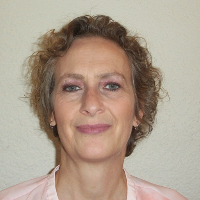
Maria "Patti" Lorenzo
LCPC
Compassionate, practical support for changing inner dialogue
- Trauma and abuse
- Self esteem
- Coping with life changes
Illinois 12 yrs
Clinical social work directory
373 therapists list compassion fatigue among the things they work with. All offer sessions online, and every profile shows the registering body, the membership number and when it runs to.
This directory page highlights therapists who focus on compassion fatigue and caregiver stress. Browse the listings below to review therapist profiles, approaches, credentials, and languages to find a good match for your needs.
LCPC
Compassionate, practical support for changing inner dialogue
LPC, LCPC
Warm, practical counseling for life transitions
LCPC
Compassionate, practical support for life’s hard moments
LCPC
Compassionate guidance for life's hard moments
LCPC
Practical, compassionate counseling for everyday struggles
LCPC
Compassionate counseling for practical change
LCPC
Experienced Illinois LCPC focusing on healing and practical change
LCPC
Calm, practical counseling for everyday challenges
LPC, LCPC
Compassionate counselor for practical life challenges
LCPC
Practical, relationship-focused therapy for life challenges
LCPC
Practical trauma-informed counseling for adults
LPC, LCPC
Practical guidance for stress and life changes
LCPC
Practical, respectful counseling for everyday struggles
LCPC
Calm, practical support for life’s harder moments
LCPC
Helping people move past stress and rebuild confidence
LCPC
Compassionate, practical therapy for life changes
LPC, LCPC
Calm, experienced counselor for mood and addiction
LPC, LCPC
Practical, goal-focused counseling with warmth
LPC, LCPC
Practical, goal-focused counseling with warmth
LCPC, LPC
Practical, person-centered counseling for daily life
LCPC
Practical support for stress and life changes
LMHC, LCPC
Compassionate counselor for life transitions
LCPC
Experienced counselor for practical coping strategies
MD, LCPC
Calm, practical support for strong emotions
LCPC
Practical guidance for steady personal change
LCPC, LPC
Compassionate counselor focused on practical change
LCPC
Practical, experienced counseling for life transitions
LCSW, LCPC
Helping people rebuild steadiness and direction
LCPC
Guided practical therapy for everyday challenges
MD, LCPC
Experienced clinician focusing on practical change
LCPC
Practical support for relationship and life changes
LCPC
Practical, person-focused counseling for life challenges
LCPC, LPC
Practical support for stress and life changes
LCPC
Experienced counselor focused on practical skills
LPC, LCPC
Calm practical help for stress and trauma
LCPC, LMHC
Practical, steady support for anxiety and trauma
LCPC
Compassionate counselor focused on practical change
LPC, LCPC
Mindful, values-focused practical therapy
MD, LCPC, LPC
Empathetic counselor focused on practical change
MD, LCPC
Calm, practical support for daily challenges
MD, LCPC, LPC
Compassionate care for stress, trauma, and relationships
Some links on this page are partner links. We will earn a commission if you sign up through one, at no cost to you. It does not change what you pay or the order of the listings.
Compassion fatigue is a response to prolonged exposure to others’ suffering and to the emotional demands of caregiving roles. It often arises in people who work in health care, emergency services, social work, education, or any setting where you routinely absorb the distress of others. Over time you may notice emotional exhaustion, reduced empathy, or a sense of detachment from the people you are trying to help. Those reactions are not a sign of weakness; they are a human response to sustained emotional labor and high-stress environments.
The experience can vary from person to person. Some people notice changes in mood, such as irritability or low motivation, while others struggle with sleep, concentration, or recurring intrusive thoughts related to work. You may find that tasks that used to feel meaningful now feel burdensome, or that you’re more sensitive to triggers that remind you of stressful cases. Because compassion fatigue develops gradually, you might not recognize the pattern until signs interfere with your relationships, work, or well-being.
If you’re wondering whether to seek support, there are practical indicators that therapy can help. You might be experiencing persistent emotional exhaustion that rest and time off do not relieve, or you may notice a growing sense of cynicism or detachment from your work and the people you serve. Increased irritability, difficulty concentrating, disrupted sleep, or physical symptoms like headaches and gastrointestinal upset can accompany emotional strain and signal the need for intervention.
You may also find that your coping strategies are less effective than they used to be. Where you once used healthy routines to recharge, you might be relying more on avoidance, isolation, or numbing behaviors. If stress is affecting your ability to be present with loved ones, if work feels overwhelming, or if you’re questioning your professional identity, therapy offers a place to explore those changes. A therapist can help you identify patterns, develop resilience strategies, and work toward a better balance between caring for others and caring for yourself.
In therapy you and your counselor will work to understand how your experiences have contributed to the way you feel and respond. Early sessions often focus on assessment - exploring your work environment, specific stressors, coping history, and any personal or systemic factors that influence your well-being. Your therapist will ask about symptoms, routines, relationships, and the aspects of your role that are most draining. This foundation helps shape a practical plan tailored to your needs.
Subsequent sessions typically blend emotional processing with skill-building. You can expect to identify patterns of thinking and behavior that maintain stress, and to practice strategies that restore emotional energy and clarity. Therapy may include developing boundaries, improving self-care routines, learning grounding and stress-management techniques, and addressing any secondary trauma responses. Work will also focus on realistic, sustainable changes you can make within the constraints of your job and personal life. Over time you may notice improved emotional regulation, clearer priorities, and a renewed sense of purpose.
Therapists use a variety of approaches to address compassion fatigue, often combining methods to match your goals and style. Cognitive-behavioral techniques are commonly used to identify unhelpful thought patterns and to build practical coping skills that reduce reactivity and improve problem solving. Mindfulness-based strategies help you become more aware of stress signals in the body and mind so you can respond rather than react. Somatic approaches focus on physical manifestations of stress and teach ways to release tension through breath work, movement, and body awareness.
There are also approaches that emphasize processing difficult feelings and experiences, helping you integrate emotionally challenging events without becoming overwhelmed. Some therapists draw on narrative or relational methods to explore how your story and relationships shape responses to suffering. You may encounter profiles that indicate therapists who list EMDR among their approaches, or clinicians who reference acceptance-based work or compassion-focused concepts. The presence of an approach on a profile reflects what a therapist uses in practice, not a formal credential, so it’s reasonable to ask about how they apply those methods and what you can expect in sessions.
Online therapy offers flexibility for caregivers and professionals who juggle irregular schedules or live far from in-person services. Sessions typically take place by video or phone and follow a similar structure to face-to-face counseling: an initial assessment followed by regular, scheduled meetings where you and the therapist work toward your goals. Many people find that remote sessions reduce the logistical burden of getting support because you can connect from a comfortable environment, which can make maintaining consistent therapy easier.
To make the most of online therapy, consider what setting helps you focus and what times fit your routine. Establishing simple boundaries before sessions - such as choosing a quiet room, using headphones, and setting a signal to housemates that you are in a session - can help you feel more present. Online work can also integrate written materials, worksheets, guided practices, and follow-up messages from your therapist. If you have concerns about technology, most therapists can guide you through the platform and troubleshoot common issues.
Selecting a therapist is a personal process that balances clinical approach, experience, and interpersonal fit. When you review profiles, look for descriptions that resonate with your needs, such as emphasis on caregiver stress, secondary trauma, or burnout prevention. Consider the therapeutic approaches listed and how they align with your preferences for skills training, emotional processing, or body-based work. Remember that a listing of an approach indicates that a therapist may use that method, so it can be helpful to ask how they integrate it into sessions and what a typical course of work looks like.
Language, cultural understanding, and professional credentials are practical factors to weigh. If identity or cultural context matters to you, look for profiles that mention relevant experience or languages. You may also prioritize counselors who describe experience working with healthcare workers, first responders, educators, or other groups that share your stressors. Finally, trust your instincts about rapport. The relationship you form with a therapist plays a central role in effective work, so choosing someone whose communication style and values align with yours increases the likelihood that therapy will feel useful and sustainable.
Compassion fatigue is a common experience among helpers and it is both understandable and addressable. Whether you pursue online or in-person care, therapy can help you recover emotional energy, rebuild meaning in your work, and create boundaries that protect your well-being. Use the listings above to read profiles, note approaches and areas of focus, and reach out to clinicians whose descriptions match what you need. Taking that first step can open a pathway back to resilience and more sustainable caregiving.