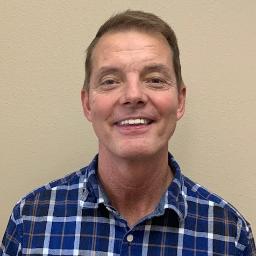
Stephen Garman, LCPC, LPC
Licensed in Missouri · 3 years in practice
Stephen Garman is a Licensed Clinical Professional Counselor who focuses on practical, person-centered work.
License and registration
- LPC, Missouri
- 2018034146 · expires June 2027
- LPC, Oklahoma
- 11024 · expires June 2026
- LCPC, Kansas
- LCPC 03589 · expires November 2027
- NPI
- 1598422115 · national provider identifier
- Years in practice
- 3
- Languages
- English
Details are as listed on the therapist's public professional profile. You can check any license with the state board and any NPI with the national registry.
About Stephen
Stephen Garman is a Licensed Clinical Professional Counselor who focuses on practical, person-centered work. He uses straightforward conversation and evidence-based methods to help people manage stress, anxiety, addiction concerns, and mood struggles. Stephen keeps sessions direct and down-to-earth so parents and busy adults can fit therapy into their lives.
He draws on Client-Centered Therapy to listen and build trust, and on Cognitive Behavioral Therapy to identify unhelpful thinking and change patterns.
Background and approach
He also uses Dialectical Behavior Therapy skills for emotion regulation and coping. Sessions are paced to match each person’s needs and goals. Stephen has worked in crisis settings and with substance use issues, and he brings three years of counseling experience in Missouri.
He offers support for parenting challenges, relationship and communication problems, grief, trauma and abuse recovery, sleep issues, and career concerns. He also addresses impulsivity, codependency, and compassion fatigue. His style is warm and interactive.
He aims to treat people with respect, sensitivity, and practical guidance. Stephen helps clients set small, achievable steps and notices progress along the way. People looking for help with mood disorders, addiction, ADHD, or life transitions can expect collaborative planning and concrete tools.
He frames therapy as a coaching partnership to move from where someone is now toward where they want to be.
Focus areas and approaches
Everything Stephen lists on their public professional profile, in their own terms.
- Stress, Anxiety
- Addictions
- Relationship issues
- Family conflicts
- Depression
- Trauma and abuse
- Grief
- Sleeping disorders
- Parenting issues
- Anger management
- Self esteem
- Career difficulties
- Bipolar disorder
- Coping with life changes
- Compassion fatigue
- ADHD
- Abandonment
- Aging and geriatric issues
- Avoidant personality
- Blended family issues
- Cancer
- Codependency
- Commitment issues
- Communication problems
- Divorce and separation
- Drug and alcohol addiction
- Family problems
- Fatherhood issues
- Forgiveness
- Guilt and shame
- Impulsivity
- Infidelity
- Isolation / loneliness
- Life purpose
- Men's issues
- Mood disorders
- Obsessions, compulsions, and OCD
- Panic disorder and panic attacks
- Post-traumatic stress
- Process addiction (porn, exercise, gambling)
- Seasonal Affective Disorder (SAD)
- Self-harm
- Self-love
- Smoking / vaping cessation
- Social anxiety and phobia
Approaches Stephen names
Naming an approach is not evidence of training in it. This directory copies what each therapist lists and does not check training records.
Online support
How client-centered, CBT, and DBT tools work online
Client-Centered Therapy focuses on listening and building a respectful relationship. Online sessions let the therapist mirror what the client says and reflect concerns so people feel heard and understood. Cognitive Behavioral Therapy (CBT) targets the links between thoughts, feelings, and actions. In online video or messaging sessions, CBT is used to spot unhelpful thinking and rehearse new ways of coping that fit daily routines. Dialectical Behavior Therapy (DBT) teaches skills for managing intense emotions and reducing impulsive behavior. DBT skills can be practiced in short check-ins, text-based coaching, or phone calls between longer sessions.Finding the right mix of approaches is part of the work. The therapist collaborates with each person to decide which methods fit their goals, temperament, and life demands. That choice can change over time as skills are learned and needs shift.
Online formats offer practical benefits. Video calls allow face-to-face interaction for skill practice. Phone sessions need less bandwidth and can be easier when movement or camera time is difficult. Live chat and text-based messaging support quick check-ins, skill reminders, and shorter exchanges between appointments. Together these options make it easier to use therapy tools consistently around family, work, and school obligations.
We will earn a commission if you sign up through our link, at no cost to you. It does not change what you pay or the order of the listings.
Questions people ask
What kinds of concerns does this therapist address?
Stephen supports people facing stress, anxiety, depression, addictions, trauma and abuse, grief, sleep problems, parenting strain, relationship and communication issues, and related concerns listed in his specialties.
What is his general therapy style?
He uses a warm, interactive, person-centered style and mixes approaches like CBT and DBT to provide practical strategies and emotional support.
How much clinical experience does he have?
He has three years of counseling experience and has worked in crisis settings and with substance use issues in Missouri.
What credentials and location are listed for this therapist?
Stephen holds LCPC and LPC credentials and practices in Missouri as indicated in his profile details.
Which languages are sessions offered in and can international clients join?
Sessions are offered in English and international clients are not currently accepted.
What session formats are available online?
He offers video calls, phone sessions, live chat, and text-based messaging to fit different schedules and preferences.
How does billing and cost work?
Cost varies by location and therapist availability; sessions use a subscription model that can be canceled at any time.
How do I begin working with him?
Start by selecting the Start Therapy button, complete a short matching questionnaire, and then schedule sessions according to the therapist's availability.
More therapists in Missouri
See allMario Bailey
LCPC, LPC
Practical, collaborative therapy for stress and trauma
- Stress, Anxiety
- Family
- Trauma and abuse

Leslie Zarker
LPC, LCPC
Calm practical help for stress and trauma
- Stress, Anxiety
- Trauma and abuse
- Self esteem

Michael Ziegler
LPC, LCPC
Helping people move past stuck patterns
- Stress, Anxiety
- Trauma and abuse
- Parenting

Is this your profile?
Ask us to correct details or take the page down.
Contact us