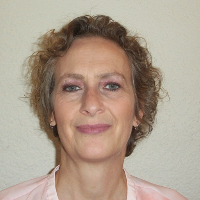
Troy Gibson
LCPC
Straightforward counseling for stress and relationships
- Stress, Anxiety
- LGBT
- Relationship
Illinois 10 yrs
Clinical social work directory
305 therapists list seasonal affective disorder (sad) among the things they work with. All offer sessions online, and every profile shows the registering body, the membership number and when it runs to.
This page features therapists who list Seasonal Affective Disorder (SAD) among their specialties. Browse the listings below to read profiles, compare approaches, credentials, languages, and find therapists who match your needs.
LCPC
Straightforward counseling for stress and relationships
LCPC
Practical support for stress and emotional challenges
LCPC
Compassionate, practical support for changing inner dialogue
LPC, LCPC
Warm, practical counseling for life transitions
LMHC, LCPC
Practical support for stress and life transitions
MD, LCPC, LPCC
Insight-driven counselor focused on relationships
LCPC
Compassionate, practical support for life’s hard moments
LCPC
Compassionate guidance for life's hard moments
LCPC
Practical, compassionate counseling for everyday struggles
LCPC
Compassionate counseling for practical change
LCPC
Calm, practical counseling for everyday challenges
LCPC
Practical, relationship-focused therapy for life challenges
LCPC
Practical, evidence-based care for everyday challenges
LCPC
Calm, experienced counselor focused on practical change
LCPC
Practical trauma-informed counseling for adults
LCPC
Compassionate, practical support for life changes
LCPC
Practical, supportive therapy for everyday struggles
LCPC
Therapist blending practical tools and listening
LCPC
Relational therapist focused on attachment and practical change
LPC, LCPC
Practical, goal-focused counseling with warmth
LCPC
Compassionate counselor focused on steady progress
LCPC, LPC
Practical, person-centered counseling for daily life
LCPC
Experienced Maine counselor focused on practical support
LCPC
Practical support for stress and relationship challenges
LCPC
Practical support for stress and life changes
LCPC
Experienced counselor for practical coping strategies
MD, LCPC
Calm, practical support for strong emotions
LCPC
Practical guidance for steady personal change
LCPC, LPC
Compassionate counselor focused on practical change
LMHC, LCPC
Calm, clear support for life’s hard moments
LCPC
Straightforward help for everyday struggles
LCPC, LMHC
Compassionate counselor focused on practical change
LCPC
Practical, goal-focused counseling for relationship and mood
LCPC
Guided practical therapy for everyday challenges
LCPC
Practical support for relationship and life changes
LCPC
Calm, practical support for everyday struggles
LCPC
Practical, person-focused counseling for life challenges
LCPC, LPC
Practical support for stress and life changes
LCPC
Experienced counselor focused on practical skills
LCPC
Helping people reshape relationships and confidence
LPC, LCPC
Mindful, values-focused practical therapy
MD, LCPC
Calm, practical support for daily challenges
LCPC
Compassionate counselor focused on practical change
Some links on this page are partner links. We will earn a commission if you sign up through one, at no cost to you. It does not change what you pay or the order of the listings.
Seasonal Affective Disorder, often abbreviated as SAD, describes a pattern where mood and energy shift predictably with the seasons. For many people this pattern emerges in the fall or winter months and can bring increased sleep, low energy, changes in appetite or weight, and a tendency to withdraw from social contact. Others experience mood changes in the spring or summer that include agitation and insomnia. The key feature you may notice is repetition - similar feelings and behaviors appearing at about the same time each year.
People respond to seasonal change in different ways. Some experience mild symptoms that are manageable with lifestyle adjustments like increased daylight exposure or routine changes. For others, seasonal mood shifts interfere with work, relationships, or daily tasks. Understanding how the seasonal pattern plays out for you is a first step in deciding whether to seek professional support and what kind of help might be most useful.
Light exposure, daily routines, social rhythms, and sleep patterns often shift with the seasons, and those shifts can affect your mood. You might notice waking later or wanting to stay indoors more during darker months. These changes can feed into each other - less activity can deepen low mood, and low mood can make it harder to keep up routines. A therapist can help you map these patterns so you can see where small changes may break an unhelpful cycle.
You might consider therapy if seasonal symptoms are interfering with your ability to do what matters to you. If you find it hard to get through the workday, maintain relationships, or follow through on daily responsibilities because your mood changes with the seasons, therapy can offer structure and tools to cope. You may also choose therapy if you want to understand why the seasonal pattern happens to you and how to lessen its impact over time.
Pay attention to patterns that repeat annually and to changes in your behavior that feel out of character. Difficulty concentrating, persistent feelings of hopelessness, withdrawing from people you usually enjoy being around, or a marked change in sleep or appetite during a specific season are signals that professional support could help you manage symptoms and plan ahead for future seasons. If you ever have thoughts of harming yourself, reach out for immediate help through emergency services or a crisis line in your area.
Seeking help before symptoms peak can make it easier to try strategies and adjust routines ahead of time. Therapy can also provide a space to process how repeated seasonal cycles affect your identity, responsibilities, and relationships so you can prepare for upcoming seasonal shifts with intentional plans rather than reactive measures.
Therapy for seasonal mood shifts typically starts with a detailed assessment of your history, symptom patterns, and current life context. In early sessions you and your therapist will talk about when symptoms began, how long they last, how they affect daily functioning, and what you have tried so far. This foundation helps you set clear, realistic goals for the work ahead.
Once you and your therapist have identified goals, sessions often include education about seasonal patterns and practical strategies you can put into practice. You may track daily mood, sleep, and activity to identify triggers and helpful routines. Therapists aim to collaborate with you on small, realistic changes - for example, tweaking your morning routine to increase daylight exposure, setting activity goals to counteract withdrawal, or practicing techniques to manage negative thought patterns. Therapy sessions also provide an ongoing place to troubleshoot, adjust plans, and measure progress as seasons change.
The frequency and length of therapy vary depending on your needs and preferences. Some people prefer weekly sessions during high-symptom months and less frequent check-ins at other times. Others find a steady schedule helpful year-round for prevention and support. Therapists may also recommend coordinating care with other professionals when conversations about light therapy, medication, sleep specialists, or medical evaluations are relevant to your case.
Several approaches are commonly used by clinicians who list Seasonal Affective Disorder among their specialties. Cognitive behavioral techniques focus on identifying and shifting unhelpful thought patterns and increasing engagement in activities that lift mood. For someone with a seasonal pattern of withdrawal and low activity, behavioral activation strategies aim to carefully reintroduce rewarding behaviors and stabilize daily routines.
Interpersonal approaches explore how relationship patterns, life transitions, or changes in social rhythms contribute to seasonal downturns. Addressing interpersonal stressors and improving social support can be an important part of the work. Some therapists incorporate elements that help you regulate sleep and daily schedules, including establishing consistent wake and sleep times, because rhythm and routine often play a major role in seasonal shifts.
When you review profiles, you may see phrases like cognitive behavioral therapy, behavioral activation, interpersonal therapy, or approaches that focus on sleep and routine. Profiles reflect what each therapist emphasizes in their practice, and therapists who list certain approaches are often those who draw on those methods in session. Talking with a prospective therapist about how they would apply a chosen approach to your seasonal pattern can help you understand how their style fits with your goals.
Online therapy can make it easier to work with clinicians who list SAD as a specialty regardless of where you live. Sessions typically happen by video, phone, or text-based messaging platforms, and the format you choose may depend on your comfort with technology and the level of interaction you prefer. Video sessions allow face-to-face interaction that can make it easier to build rapport and practice behavioral strategies together, while messaging or phone sessions can offer more flexibility for check-ins between longer appointments.
When choosing a therapist for seasonal mood shifts, look beyond titles and focus on what they list in their profiles. Pay attention to whether they list Seasonal Affective Disorder or seasonal mood patterns among their focus areas, what approaches they describe, and what populations or life stages they note experience with. Consider language needs, cultural background, and any preferences you have for working with someone who understands how seasonal issues interact with your work schedule, family responsibilities, or cultural context.
Before you reach out, think about practical factors that will shape the therapeutic relationship. Consider whether you prefer shorter or longer sessions, how you feel about video versus phone interactions, and whether you want a therapist who speaks your preferred language. Read profiles for mentions of experience with seasonal concerns and consider asking therapists about how they structure sessions for people with cyclical mood patterns and what kinds of strategies they commonly use. If medical options like light therapy may be part of the conversation, you can ask how the therapist coordinates care with medical professionals so you have a well-rounded plan.
Choosing a therapist is a personal process and it is reasonable to try a few conversations before deciding who feels like the right fit. Think about therapeutic rapport, communication style, and a shared plan for goals and timelines. The right match is one where you feel heard, understood, and supported in testing strategies that help you manage seasonal fluctuations and protect what matters to you throughout the year.