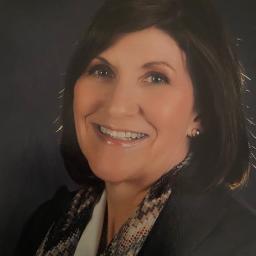
Carolyn Westgate, LCPC
Licensed in Kansas · 22 years in practice
Carolyn Westgate is a licensed clinical professional counselor (LCPC) who focuses on helping people manage stress, anxiety, addiction, grief, and mood concerns.
License and registration
- LCPC, Kansas
- LCPC 198 · expires June 2027
- NPI
- 1053477745 · national provider identifier
- Years in practice
- 22
- Languages
- English
Details are as listed on the therapist's public professional profile. You can check any license with the state board and any NPI with the national registry.
About Carolyn
Carolyn Westgate is a licensed clinical professional counselor (LCPC) who focuses on helping people manage stress, anxiety, addiction, grief, and mood concerns. She speaks plainly and listens with respect to understand what is most pressing for each person. Her approach aims to make therapy feel manageable and practical for daily life.
With 22 years of experience, she draws on several proven methods to shape individualized plans. Sessions often include clear, simple tools you can use between meetings.
Background and approach
She works to keep goals realistic and measurable so progress is easier to notice. Her background includes long-term clinical work and leadership roles that informed her understanding of complex problems. That experience is used to help people navigate depression, trauma and abuse, postpartum struggles, and addiction-related issues.
She also supports those dealing with caregiver stress, adoption and foster care questions, or challenges related to first responder and veteran life. In the therapy room she blends Acceptance and Commitment Therapy, cognitive behavioral ideas, solution-focused steps, and trauma-informed practices. The focus is usually on what is most helpful right now and on building skills that reduce distress and improve daily functioning.
Carolyn is open to researching additional resources when a different idea might better meet a person’s needs. Starting therapy is framed as a collaboration. If the fit isn’t right, she helps people find another professional who may suit them better.
Sessions are offered through a range of online formats to fit different schedules and preferences.
Focus areas and approaches
Everything Carolyn lists on their public professional profile, in their own terms.
- Stress, Anxiety
- Addictions
- Relationship issues
- Depression
- ADHD
- Family conflicts
- Trauma and abuse
- Grief
- Parenting issues
- Anger management
- Self esteem
- Career difficulties
- Coaching
- Adoption and foster care
- Blended family issues
- Caregiver issues and stress
- Co-morbidity
- Codependency
- Communication problems
- Drug and alcohol addiction
- Family problems
- First responder issues
- Infidelity
- Midlife crisis
- Veteran and Armed Forces Issues
- Mood disorders
- Panic disorder and panic attacks
- Postpartum depression
- Post-traumatic stress
- Seasonal Affective Disorder (SAD)
- Social anxiety and phobia
- Trichotillomania
- Women's issues
Approaches Carolyn names
- Acceptance and Commitment Therapy (ACT)
- Client-Centered Therapy
- Cognitive Behavioral Therapy (CBT)
- Solution-Focused Therapy
- Trauma-Focused Therapy
Naming an approach is not evidence of training in it. This directory copies what each therapist lists and does not check training records.
Online support
Approaches that work well online
Carolyn uses Acceptance and Commitment Therapy and Cognitive Behavioral Therapy in ways that fit remote work. Acceptance and Commitment Therapy (ACT) helps people clarify what matters most and take small steps toward those values, which can reduce stuck feelings. Cognitive Behavioral Therapy (CBT) focuses on identifying unhelpful thinking and testing new behaviors, often with simple exercises to try between sessions.Choosing the right approach is part of the process. The therapist will talk with the person about goals, preferences, and what feels most helpful. Together they decide whether ACT, CBT, or another method will be the main focus and adjust the plan as progress is seen.
Online formats include video calls, phone sessions, live chat, and text-based messaging. Video sessions work well for in-depth conversations and visual cues. Phone sessions can be helpful when bandwidth is limited or for shorter check-ins. Live chat and text messaging are useful for quick coaching, check-ins, or when someone prefers written communication. These options offer flexibility to fit therapy into work, caregiving, or other responsibilities.
We will earn a commission if you sign up through our link, at no cost to you. It does not change what you pay or the order of the listings.
Questions people ask
What concerns does she commonly address?
She helps people with stress, anxiety, depression, addictions, trauma and abuse, grief, ADHD, anger, self esteem, and career and parenting challenges.
How would you describe her therapeutic style?
Her style is practical and person-centered, focusing on simple tools and collaborative goal setting to make therapy useful between sessions.
What kind of experience does she bring?
She has 22 years of clinical experience, including long-term practice and leadership roles that exposed her to a wide range of issues and settings.
What credentials and where is she based?
She is a KS LCPC, a licensed clinical professional counselor practicing in Kansas.
Can sessions be conducted in languages other than English?
Sessions are offered in English.
What session formats are available?
Therapy is available by video calls, phone sessions, live chat, and text-based messaging to fit different preferences.
How is cost handled for sessions?
Cost varies with location and therapist availability; sessions use a subscription model that can be canceled at any time.
What do I do to begin therapy?
Start by selecting the Start Therapy button, complete a short matching questionnaire, and then schedule sessions according to therapist availability.
More therapists in Kansas
See allJacqueline "Jackie" Pattison
LCPC
Compassionate guidance for life's hard moments
- Stress, Anxiety
- Relationship
- Family
Gregory Gober
LPC, LCPC
Compassionate counselor for practical life challenges
- Stress, Anxiety
- Relationship
- Trauma and abuse

Misty Humphrey
LCPC
Practical support for anxiety and trauma
- Stress, Anxiety
- Trauma and abuse
- Self esteem

Karla Brockman
LCPC
Experienced counselor for practical coping strategies
- Stress, Anxiety
- Trauma and abuse
- Grief
Is this your profile?
Ask us to correct details or take the page down.
Contact us