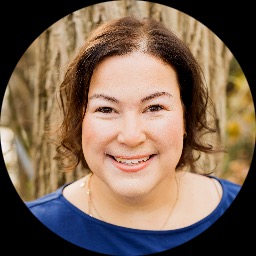
Rachel Chernow, MD, LCPC
Licensed in Maryland · 13 years in practice
Rachel Chernow is a licensed clinician based in Maryland who focuses on helping people facing stress, anxiety, mood concerns, and life changes.
License and registration
- LCPC, Maryland
- LC3315 · expires January 2027
- NPI
- 1427238419 · national provider identifier
- Years in practice
- 13
- Languages
- English
Details are as listed on the therapist's public professional profile. You can check any license with the state board and any NPI with the national registry.
About Rachel
Rachel Chernow is a licensed clinician based in Maryland who focuses on helping people facing stress, anxiety, mood concerns, and life changes. She brings 13 years of experience and blends practical skills with a warm, caring manner. Her approach aims to make conversations feel straightforward and useful from the first visit.
She emphasizes building a strong working relationship early on. Rachel listens with patience and offers clear, practical steps people can try between sessions.
Background and approach
She uses methods that help people notice unhelpful thoughts, practice new responses, and build steadier routines for sleep, work, and relationships. In sessions she pays attention to how attachment and past wounds affect current choices. She also addresses issues like addiction, caregiving stress, codependency, and forgiveness in an accessible way.
When appropriate, she mixes client-centered listening with cognitive behavioral tools and mindfulness skills to match each person’s needs. Rachel trained in clinical counseling and has worked in both personal and community settings. That background shaped her focus on collaboration and on creating plans that fit daily life.
She supports people working through grief, parenting strain, career transitions, and the feelings that come after major relationship shifts. Her style is calm and direct. She helps people set realistic goals, track small changes, and find ways to feel steadier in day-to-day life.
If someone wants a clear, compassionate guide while making changes, Rachel offers that steady presence.
Focus areas and approaches
Everything Rachel lists on their public professional profile, in their own terms.
- Stress, Anxiety
- Addictions
- Depression
- Relationship issues
- Family conflicts
- Trauma and abuse
- Grief
- Sleeping disorders
- Parenting issues
- Anger management
- Self esteem
- Career difficulties
- Bipolar disorder
- Coping with life changes
- Coaching
- Compassion fatigue
- ADHD
- Abandonment
- Attachment issues
- Caregiver issues and stress
- Codependency
- Commitment issues
- Communication problems
- Disruptive Mood Dysregulation Disorder (DMDD)
- Divorce and separation
- Emptiness
- Family problems
- Forgiveness
- Guilt and shame
- Isolation / loneliness
- Jealousy
- Money and financial issues
- Mood disorders
- Obsessions, compulsions, and OCD
- Panic disorder and panic attacks
- Paranoia
- Phobias
- Postpartum depression
- Post-traumatic stress
- Process addiction (porn, exercise, gambling)
- Seasonal Affective Disorder (SAD)
- Self-love
- Social anxiety and phobia
- Women's issues
- Workplace issues
Approaches Rachel names
Naming an approach is not evidence of training in it. This directory copies what each therapist lists and does not check training records.
Online support
Approaches that guide online sessions
Client-centered therapy focuses on listening and building a trusting relationship. The therapist follows the person's lead, reflects understanding, and helps people clarify their goals and values. This approach is useful when someone needs acceptance and steady support while making changes.Cognitive Behavioral Therapy, or CBT, looks at how thoughts influence feelings and behavior. It teaches concrete skills to challenge unhelpful thoughts and test new behaviors, which can help with anxiety, depression, sleep problems, and anger. Mindfulness Therapy teaches simple attention and breathing practices to reduce reactivity and increase calm in daily life.
Finding the right mix of methods is part of the work. The therapist will collaborate with each person to decide which approaches fit their goals, needs, and preferences. That plan can change over time based on what helps most.
Online therapy with video calls, phone sessions, live chat, or text-based messaging makes it easier to fit care into a busy life. Video allows face-to-face conversation, phone can be a good shorter check-in, and messaging or live chat can work for quick updates or homework check-ins. These options offer flexibility so people can keep momentum even with work, caregiving, or travel commitments.
We will earn a commission if you sign up through our link, at no cost to you. It does not change what you pay or the order of the listings.
Questions people ask
What concerns does Rachel commonly address?
She helps people with stress, anxiety, depression, addictions, trauma and grief, sleep problems, parenting strain, anger, self-esteem, and related issues like codependency and caregiver stress.
What is her general therapeutic approach?
Her style blends client-centered listening with cognitive behavioral techniques and mindfulness practices. Sessions focus on understanding the person and trying practical steps to change thoughts and habits.
How much experience does she have?
She has 13 years of clinical experience working in both independent practice and community settings.
What credentials and location are on record?
Rachel holds an MD and is a Licensed Clinical Professional Counselor - LCPC - practicing in Maryland.
Are sessions available in other languages or internationally?
Sessions are offered in English. International clients are not currently accepted.
Which session formats does she offer?
Sessions can be scheduled as video calls, phone sessions, live chat, or text-based messaging to fit different schedules and needs.
How is cost handled for sessions?
Cost varies with location and therapist availability; sessions use a subscription that can be canceled at any time.
How do I begin working with her?
To start, select the Start Therapy button, complete a short matching questionnaire, and then schedule according to the therapist's availability.
More therapists in Maryland
See allTanya Vincent
MD, LCPC
Practical, collaborative counseling for everyday struggles
- Stress, Anxiety
- Relationship
- Family

Arleen Faulkner
MD, LCPC
Calm, practical support for life transitions
- Stress, Anxiety
- Addictions
- Relationship
Derrick Gibson
MD, LCPC
Compassionate, practical help for stress and loss
- Stress, Anxiety
- Relationship
- Family

Is this your profile?
Ask us to correct details or take the page down.
Contact us