
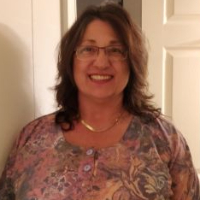
Yasmin Miranda, MD, LCPC, LMHC
Licensed in Florida · 12 years in practice
Yasmin Miranda is a clinician based in Pennsylvania with 12 years of experience.
License and registration
- LMHC, Florida
- MH14584 · expires March 2027
- LPC, Pennsylvania
- PC016994 · expires February 2027
- LCPC, Maryland
- LC14902 · expires January 2028
- NPI
- 1285121616 · national provider identifier
- Years in practice
- 12
- Languages
- English
Details are as listed on the therapist's public professional profile. You can check any license with the state board and any NPI with the national registry.
About Yasmin
Yasmin Miranda is a clinician based in Pennsylvania with 12 years of experience. She holds an MD and practices as a Licensed Clinical Professional Counselor - LCPC and a Licensed Mental Health Counselor, LMHC. Her approach is conversational and straightforward, aimed at people who find starting therapy awkward or intimidating.
She keeps sessions warm and down-to-earth. Yasmin avoids jargon and high-pressure techniques. She creates space for honest talk so people who tend to hold things in can say what they really mean.
Background and approach
Yasmin works with concerns around relationships, family tension, trauma and abuse, anger, and coping with life changes. She also addresses issues such as abandonment, attachment struggles, communication problems, infidelity, jealousy, and challenges tied to money or substance use. Her style mixes practical skill-teaching, helpful feedback, and conversations that look for deeper patterns.
Sessions are collaborative and geared toward small, usable changes rather than long lectures. Clients who like to bring creativity, stories, or cultural touchstones into conversation often find this approach comfortable. Yasmin offers video, phone, live chat, and text-based messaging sessions.
People begin by completing a short matching questionnaire and scheduling a time that fits. Her aim is to make therapy feel like a real conversation, not a test.
Focus areas and approaches
Everything Yasmin lists on their public professional profile, in their own terms.
- Relationship issues
- Family conflicts
- Trauma and abuse
- Anger management
- Coping with life changes
- Abandonment
- Attachment issues
- BDSM, kink, and alternative sex culture
- Communication problems
- Control issues
- Dependent personality
- Drug and alcohol addiction
- Family problems
- Forgiveness
- Gender dysphoria
- Guilt and shame
- Infidelity
- Jealousy
- Men's issues
- Money and financial issues
- Mood disorders
- Multicultural concerns
- Polyamory / non-monogamous relationships
- Post-traumatic stress
- Prejudice and discrimination
- Self-love
- Sexual assault and abuse
- Sexual dysfunction
- Sexuality
- Women's issues
- Young adult issues
Approaches Yasmin names
- Client-Centered Therapy
- Cognitive Behavioral Therapy (CBT)
- Gottman Method
- Narrative Therapy
- Psychodynamic Therapy
- Solution-Focused Therapy
- Trauma-Focused Therapy
- Internal Family Systems
Naming an approach is not evidence of training in it. This directory copies what each therapist lists and does not check training records.
Online support
Therapeutic approaches and online sessions that fit your life
Client-Centered Therapy focuses on the person in the room. It emphasizes listening without judgment and helping people find their own solutions, which can help with relationship and family strain. Cognitive Behavioral Therapy, or CBT, looks at the links between thoughts, feelings, and behaviors and teaches practical skills to change patterns like anger, low mood, or worry. The Gottman Method concentrates on relationship interactions and communication habits, offering tools to reduce conflict and rebuild trust.Choosing the right approach is a collaborative process. The therapist will talk with each person about goals, preferences, and what feels most helpful, then tailor techniques from these methods to fit those needs. That way the plan grows from the client's priorities rather than a fixed formula.
Online sessions are offered by video calls, phone, live chat, or text-based messaging to make scheduling easier and to match different needs. Video calls let people use visual cues for deeper conversations, phone sessions work well when bandwidth is limited, live chat can be a quick check-in, and text messaging supports brief updates between appointments. These options help people keep therapy going when life is busy or when different formats simply feel more comfortable.
We will earn a commission if you sign up through our link, at no cost to you. It does not change what you pay or the order of the listings.
Questions people ask
What issues does she help people with?
She helps people with relationship and family tension, trauma and abuse, anger, and coping with life changes, plus related concerns like abandonment, attachment issues, and addiction.
What is her therapeutic style like?
Her style is warm, conversational, and straightforward, mixing practical skills, feedback, and insight-driven conversation to identify and change unhelpful patterns.
How much clinical experience does she have?
She brings 12 years of experience working with a range of relational and personal concerns.
What credentials and location are listed?
She holds an MD and is licensed as an LCPC and an LMHC, and she practices in Pennsylvania.
Which languages are sessions offered in?
Sessions are offered in English.
What session formats are available?
Sessions are available by video calls, phone sessions, live chat, or text-based messaging.
How does cost and payment work?
Cost varies with location and therapist availability; sessions use a subscription that can be canceled at any time.
How do I begin working with her?
Begin by selecting the Start Therapy button, completing a short matching questionnaire, and then scheduling according to therapist availability.
More therapists in Pennsylvania
See allDr. Anna Ruggirello
LPC, LCPC
Warm, practical counseling for life transitions
- Stress, Anxiety
- Relationship
- Family
Dr. Brian Shaffer
LCMHC, LCPC
Person-centered counseling for recovery and growth
- Stress, Anxiety
- Addictions
- LGBT


Is this your profile?
Ask us to correct details or take the page down.
Contact us