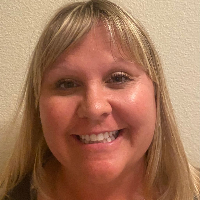
Jasen Livermore
LPC, LCPC
Practical support for stress and life changes
- Stress, Anxiety
- Relationship
- Depression
Wyoming 5 yrs
Clinical social work directory
215 therapists in this directory list Licensed Professional Counselor (LPC). Registration details are shown as each therapist lists them; the body's own public register is the place to check a number.
A Licensed Professional Counselor (LPC) is a mental health professional who has completed a graduate degree and met state licensure requirements to provide counseling services. Below you can browse verified LPC therapists to review their specialties, approaches, and languages.
LPC, LCPC
Practical support for stress and life changes
LPC, LCPC
Warm, practical counseling for life transitions
LPC, LCPC
Practical, strength-focused counseling for life changes
LPC, LCPC
Compassionate, practical counseling for everyday life
LCPC, LPC
Hopeful, practical therapy with an experienced clinician
LCPC, LPC
Compassionate, practical counseling for life changes
LPC, LCPC
Compassionate counselor for practical life challenges
LCPC, LPC
Supportive, values-focused counseling
LPC, LCPC
Practical, client-centered therapy for overwhelmed adults
LPC, LCPC
Practical guidance for stress and life changes
LPC, LCPC
Practical counseling for stress and life changes
LPC, LCPC
Calm, experienced counselor for mood and addiction
LPC, LCPC
Practical, goal-focused counseling with warmth
LPC, LCPC
Practical skill-building with an encouraging approach
LPC, LCPC
Empowering adults to build steady, lasting change
LPC, LCPC
Practical, goal-focused counseling with warmth
LCPC, LPC
Practical, person-centered counseling for daily life
LCPC, LPC
Practical, collaborative therapy for stress and trauma
LCPC, LPC
Compassionate counselor focused on practical change
LCPC, LPC
Practical, steady support for stress and addiction
LPC, LCPC
Compassionate counselor for stress and loss
LCPC, LPC
Compassionate, practical therapy for emotional struggles
LPC, LCPC
Compassionate, practical counseling for everyday challenges
LPC, LCPC
Compassionate help for addiction and trauma recovery
LCPC, LPC
Practical support for stress and life changes
LPC, LCPC
Calm practical help for stress and trauma
LCPC, LPC
Practical, down-to-earth counseling for life challenges
LPC, LCPC
Compassionate skills-based care for daily life
LPC, LCPC
Mindful, values-focused practical therapy
MD, LCPC, LPC
Calm, practical support for stress and trauma
MD, LCPC, LPC
Empathetic counselor focused on practical change
MD, LCPC, LPC
Compassionate care for stress, trauma, and relationships
LPC, LCPC
Practical, compassionate help for emotional struggles
MD, LCPC, LPC
Experienced counselor helping people find steadier footing
LCPC, LPC
Compassionate support for addiction and trauma recovery
LCPC, LPC
Person-centered therapy with practical tools
LPC, LCPC
Practical, bilingual counseling for everyday challenges
LCPC, LPC
Compassionate counselor focused on practical change
LPC, LCPC
Practical strategies for lasting life changes
LCPC, LPC
Practical, respectful counseling for everyday struggles
LPC, LCPC
Compassionate, practical counseling for everyday stress
LCPC, LPC
Depth-focused counselor helping people find steadiness
MD, LCPC, LPC
Compassionate, practical therapy for real-life change
Some links on this page are partner links. We will earn a commission if you sign up through one, at no cost to you. It does not change what you pay or the order of the listings.
When you see the LPC designation next to a counselor's name, it signals that the person has completed a set of educational and regulatory steps required by a state licensing board. Most LPCs hold a master’s degree in counseling, counseling psychology, or a closely related field. That graduate training typically includes coursework in human development, assessment, counseling theory, ethics, and research methods, along with practicum and internship experiences where the student works directly with clients under supervision.
After finishing the degree, aspiring LPCs complete a period of supervised clinical practice. This supervised experience is completed under the oversight of a licensed professional and is measured in documented hours. Once the required hours are met, candidates generally must pass a state or national licensing exam and apply for full licensure. Because licensure requirements vary by state, the exact number of supervised hours or the specific examination can differ, but the combination of graduate education, supervised clinical work, and a licensing assessment is a common throughline.
You should think of LPCs as professionals trained to provide assessment and psychotherapy to individuals, couples, families, and groups. In practice, LPCs offer counseling for a range of life challenges, emotional concerns, and behavioral issues. Their training emphasizes clinical skills for establishing therapeutic goals, using interventions aligned with the client’s needs, and monitoring progress over time.
Comparing LPCs to other license types can help you understand how roles overlap and where distinctions lie. Psychologists often hold doctoral degrees and may conduct psychological testing and research in addition to therapy. Licensed Clinical Social Workers (LCSWs) usually have a social work background and may focus on case management and connecting clients with community resources alongside psychotherapy. Marriage and family therapists may concentrate on family systems and relational dynamics. Each license type has its own training emphasis and regulatory framework. If you have a particular need - for example, a desire for assessment and testing, a focus on systemic family work, or integration with social services - knowing the typical scope of each license can guide your search. Ultimately, LPCs are a common choice when you want professional counseling rooted in graduate-level clinical education and state-regulated practice.
LPC therapists commonly address a wide array of concerns across the lifespan. You will find counselors who focus on mood challenges such as depression and anxiety, adjustment to life transitions, trauma-related symptoms, relationship and couples work, grief and loss, and stress management. Many LPCs also work with adolescents, parents, and older adults, tailoring interventions to developmental stage and context.
Therapists may list particular approaches they use in their work. When a profile mentions approaches such as cognitive behavioral strategies, psychodynamic-informed interventions, mindfulness-based practices, or trauma-informed care, understand that these entries reflect what the therapist describes as their methods. You will also encounter therapists who list modalities like EMDR among their approaches; phrasing it this way recognizes that a therapist identifies the method without asserting formal certification in that specific approach. In addition to clinical specialties, pay attention to language skills, cultural competence statements, and populations served, since these factors can shape whether a counselor feels like a good match for you.
Verifying an LPC credential helps you confirm that a clinician is licensed to practice in their state. Licensing boards for professional counselors maintain public directories where you can lookup a license by name or license number. These board records typically list the license status, issue and expiration dates, and any public disciplinary actions. If you want to verify educational background or supervised hours, the licensing board can often explain the requirements that applied when the license was issued.
In addition to the licensing board, you can check a clinician’s stated education and experience on their profile and, when appropriate, contact their educational institution to confirm degrees. When a therapist lists particular approaches or specializations, remember that those descriptions represent what they indicate on their profile; they do not substitute for documentation of training. If you have questions about a therapist’s preparation for a particular clinical need, you can ask them directly about the settings where they gained experience and how they apply certain approaches in practice.
Selecting an LPC means engaging with a clinician who has met state-based standards for graduate education and supervised practice. Because LPCs are regulated by state licensing boards, their credential signals that they have completed formal requirements intended to prepare them for clinical work. This regulatory framework also means there is a clear point of contact if you ever need to verify licensure or review publicly available licensing records.
Another advantage of considering LPCs is the variety of settings in which they practice. You can find LPCs working in personal counseling centers, healthcare clinics, community agencies, schools, and organizational environments. Their training tends to emphasize practical counseling skills that are adaptable to different presenting problems. When you prioritize a counselor whose background and described approaches align with your goals, an LPC credential can be one indicator among several that a therapist meets professional standards for clinical practice.
Start by clarifying what matters most to you in counseling. Are you seeking support for a specific symptom, help with relationship patterns, or guidance through a life transition? Once you know the areas you want to address, use profile filters to identify LPCs who list relevant specialties, clinical approaches, or populations served. Pay attention to language abilities and cultural or identity statements if these are important for your comfort and rapport.
Read therapist profiles thoroughly to get a sense of how a counselor describes their work. Look for clear language about the kinds of issues they focus on and the approaches they list. When you find a profile that seems like a match, consider reaching out with brief questions about their experience with your specific concern and how they approach therapy. You may also ask about session formats they offer and whether their therapeutic style emphasizes skills, insight, or a combination. Trust your sense of fit; a successful therapeutic relationship depends as much on the connection you feel as it does on credentials and approach.
Finally, remember that licensure is only one part of choosing a counselor. Use the LPC designation as a foundation for further exploration, focusing on specialization, communication style, cultural fit, and the practical details that shape how you will work together. With thoughtful review and intentional questions, you can narrow your options and identify an LPC therapist who aligns with your needs and preferences.