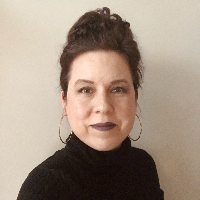
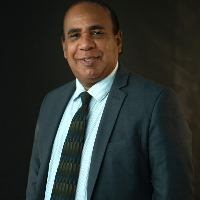
Samuel Rosenblatt
MD, LCPC, LMHC
Compassionate, practical therapy for common struggles
- Stress, Anxiety
- Relationship
- Family
Florida 7 yrs
Clinical social work directory
26 therapists in this directory hold a licence issued in Florida. Sessions are online; a therapist can normally only see people located in a state where they hold a licence, so check the credentials panel on each profile. LCPC and LPC are the same licence under different state names.
Welcome to the directory of online therapists serving Florida. All therapists listed here are licensed in Florida; explore profiles to compare specialties, approaches, credentials, and languages.
MD, LCPC, LMHC
Compassionate, practical therapy for common struggles
LMHC, LCPC
Practical support for anxiety and life transitions
LCPC, LMHC
Compassionate counselor for life’s big challenges
LCPC, LMHC
Support for stress, mood, and life transitions
MD, LCPC, LMHC
Compassionate, practical counseling for everyday struggles
LPC, LCPC
Practical, open-minded counseling for life’s challenges
LCPC, LMHC
Person-centered therapy with practical tools
LMHC, LCPC
Practical, strengths-based care for life's challenges
LCPC, LMHC
Warm, steady support for lasting change
LMHC, LCPC
Client-centered counselor for trauma and addiction
LMHC, MD, LCPC
Calm, practical help for stress and identity challenges
LMHC, LCPC
Practical support for stress, trauma, and life change
LCPC, LMHC
Practical, skill-focused counseling for everyday struggles
LCPC, LMHC
Practical, compassionate help for emotional challenges
LCPC, LMHC
Practical, compassionate counseling for real-life struggles
LMHC, LCPC
Understanding, practical therapy for life challenges
LMHC, LCPC
Compassionate, practical therapy for everyday struggles
LMHC, LCPC
Practical, respectful therapy for everyday struggles
LCPC, LMHC
Calm, practical therapy for life’s challenges
LCPC, LMHC
Helpful, goal-focused counseling for everyday struggles
LMHC, LCPC
Calm, practical therapy for relationship and trauma concerns
LMHC, LCPC
Compassionate, practical support for life’s hard moments
LCPC, LPC
Attachment-informed counselor focused on practical skills
LMHC, MD, LCPC
Compassionate, practical help for everyday struggles
LCPC, LMHC
Practical support for stress, identity, and life change
Some links on this page are partner links. We will earn a commission if you sign up through one, at no cost to you. It does not change what you pay or the order of the listings.
Online therapy has become a common option for people across Florida who want counseling without traveling to an office. Licensed mental health providers may offer services via video or phone while practicing under the rules that govern their Florida license. Because rules and professional standards shape what providers may do online, it is important to look for therapists who explicitly list teletherapy or online sessions on their profiles and who hold Florida licensure.
Virtual sessions typically follow a familiar structure - an introductory conversation about goals, ongoing work on coping skills and insight, and periodic check-ins on progress. The platform used for video visits, how sessions are scheduled, and whether you work with the same clinician each time are operational details that vary by provider. Online therapy can be delivered as individual counseling, couples or family sessions, and some therapists also offer specialized approaches. If you prefer a particular format or approach, look for those details in therapist profiles so you can make an informed choice.
Florida is geographically large and includes densely populated metro areas as well as rural communities. Online therapy allows you to access clinicians who work from different cities without a commute. That can be especially helpful if you live in a region with fewer in-person providers, if transportation is difficult, or if you need the flexibility that remote sessions provide. You can select clinicians who list languages or specialties that match your needs even when they are not nearby.
For many people, online therapy reduces time spent on travel, parking, or arranging childcare, which can make it easier to stick with regular appointments. Virtual sessions can also help you maintain continuity during life transitions, temporary relocation, or seasonal travel within the state. Some people find online sessions feel more personal and less exposed than visiting a public office, and being in a familiar setting at home or another safe setting can make it easier to focus on the work of therapy.
Online therapists often work with people facing anxiety, depression, stress related to work or school, and relationship challenges. You can find clinicians who list approaches oriented toward helping with mood management, communication skills for couples or families, and strategies for navigating life changes such as career shifts, caregiving responsibilities, or the transition to college or retirement. Many therapists tailor sessions to address patterns of behavior and thought that contribute to everyday difficulties.
People also seek online therapy for processing grief, coping with past traumatic experiences, and addressing behavioral concerns like chronic stress reactions or difficulties with sleep and concentration. Some therapists list specialized modalities among their approaches, for example therapists who list EMDR among their approaches or therapists who list cognitive behavioral therapy among their approaches, and those profiles can help you identify clinicians whose described methods align with your preferences. If you have concerns related to substance use, chronic medical conditions, parenting challenges, or identity-related stressors, you can look for therapists whose profiles mention those focus areas.
Verifying licensure helps confirm that a clinician is authorized to practice in Florida and allows you to review official information such as license type and any public disciplinary history. Profiles on a directory can be a helpful starting point, but the authoritative record is held by the state licensing body. You should be able to match the name and any listed license number on a therapist's profile with the state record.
To verify a license, search the Florida state licensing website for the clinician's name or license number and review the public record. Look for information about the license type, whether the license is listed as active, and any notes about disciplinary actions or restrictions. If you see abbreviations such as LMHC, LCSW, or LMFT on a profile, those indicate the type of license the clinician holds; the licensing search will clarify what is recorded with the state. If you have questions about what appears in the public record, the licensing office can explain terminology and provide guidance about next steps.
Begin by reflecting on what you want to accomplish in therapy and which practical factors matter most to you. Consider the specialties and approaches listed in profiles, the clinician's stated experience with particular concerns, and language preferences. You may want someone who offers a specific format such as couples work or family therapy, or a clinician who lists particular approaches among their methods. Gather basic information about fees, payment methods, and whether the therapist mentions insurance or out-of-network billing so you can evaluate costs.
When you are ready to reach out, prepare a short list of questions to learn about the therapist's approach, what a typical session looks like, and how they structure goals and progress. It is reasonable to ask about the technology used for video sessions, what to do if you need technical help, and whether the therapist has experience working with issues similar to yours. Make sure you have a reliable device, a headset or headphones if you prefer privacy for audio, a stable internet connection, and a quiet space to meet. A quiet space can help you speak freely during sessions and minimize interruptions.
Therapy is a personal relationship and fit matters. Pay attention to how you feel after an initial conversation - whether the clinician listens, responds respectfully, and describes an approach that resonates with your needs. Be cautious if a therapist promises guaranteed outcomes, pressures you into a specific type of treatment, or requests payment in ways that feel unusual. If you have concerns about a clinician's conduct or practices, you can consult the Florida licensing board for guidance. Trusting your instincts about comfort and safety is an important part of the selection process.
Online therapy can open up access to a wide range of licensed clinicians across Florida. By reviewing therapist profiles, verifying licensure, and preparing thoughtful questions, you can find a clinician whose approach and background align with your goals. Use the directory to compare specialties, approaches, languages, and credentials as you begin your search and take the next step in finding care that fits your needs.