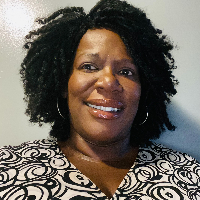
Troy Gibson
LCPC
Straightforward counseling for stress and relationships
- Stress, Anxiety
- LGBT
- Relationship
Illinois 10 yrs
Clinical social work directory
220 therapists list self-harm among the things they work with. All offer sessions online, and every profile shows the registering body, the membership number and when it runs to.
This page lists therapists who note self-harm among their specialty areas, with a range of therapeutic approaches, credentials, and language options. Use the profiles below to learn about different clinicians and the methods they describe as part of their work. Browse the listings to begin researching professionals who might match your needs.
LCPC
Straightforward counseling for stress and relationships
LCPC
Practical support for stress and emotional challenges
LCPC
Compassionate, practical support for changing inner dialogue
LCPC
Compassionate, practical support for life’s hard moments
LCPC
Practical, compassionate counseling for everyday struggles
LCPC
Experienced Illinois LCPC focusing on healing and practical change
LCPC
Calm, practical counseling for everyday challenges
LCPC
Compassionate counselor for addiction and trauma recovery
LCPC
Practical, relationship-focused therapy for life challenges
LCPC
Calm, experienced counselor focused on practical change
LPC, LCPC
Practical, client-centered therapy for overwhelmed adults
LCPC
Practical trauma-informed counseling for adults
LCPC
Compassionate, practical therapy for life changes
LCPC
Practical CBT and mindfulness for real problems
LCPC
Compassionate, practical support for life changes
LCPC
Compassionate counselor focused on steady progress
LCPC, LPC
Practical, person-centered counseling for daily life
LCPC
Practical support for stress and life changes
LCPC
Helping people find steady, practical paths forward
LCPC
Experienced counselor for practical coping strategies
MD, LCPC
Calm, practical support for strong emotions
LCPC
Practical guidance for steady personal change
LCPC, LPC
Compassionate counselor focused on practical change
LCPC
Compassionate, practical counseling for everyday struggles
LCPC
Guided practical therapy for everyday challenges
LCPC
Practical support for relationship and life changes
LCPC
Practical, person-focused counseling for life challenges
LCPC
Support for stress and relationships
LPC, LCPC
Mindful, values-focused practical therapy
MD, LCPC
Calm, practical support for daily challenges
LCPC
Compassionate counselor focused on practical change
MD, LCPC
Empathetic clinician focused on practical change
LPC, LCPC
Practical strategies for lasting life changes
LPCC, LCPC
Practical, compassionate counseling for daily struggles
LCPC
Compassionate, practical therapy for life’s challenges
LCPC
Practical, skills-focused therapy for day-to-day life
LCPC
Guided, practical counseling for life changes
LCPC
Practical, person-centered care for everyday struggles
LPC, LCPC
Helping people move past stuck patterns
MD, LCPC
Compassionate therapist combining talk and practical tools
LCPC
Practical, respectful support for change
Some links on this page are partner links. We will earn a commission if you sign up through one, at no cost to you. It does not change what you pay or the order of the listings.
Self-harm refers to intentional actions a person takes to hurt their own body, such as cutting, burning, hitting, or ingesting substances in a way that can cause harm. People use the term to describe a range of behaviors that are often coping strategies for intense emotions, overwhelming stress, or dissociation. For some, self-harm is a way to regulate emotional pain or to feel a sense of control; for others, it may be connected to past trauma, identity struggles, or ongoing mental health challenges. The ways self-harm appears and the meanings it holds can vary widely across age, culture, and life circumstances.
If you are dealing with self-harm, it can affect many parts of your life. Physical healing, wound care, and scarring are immediate concerns, but there are also impacts on relationships, work or school performance, and self-image. People who self-harm may withdraw from friends and family, feel shame or embarrassment, and spend energy hiding injuries. Recognizing how the behavior interacts with your daily life is an important step in getting the kind of support that addresses both the immediate safety needs and the underlying emotional or relational issues.
You might consider seeking therapeutic support if self-harm is occurring frequently, if it feels harder to stop, or if it is causing serious injury. Signs that therapy could be helpful include sudden changes in mood, an increase in risky behavior, repeated unexplained injuries, or a pattern of using self-harm to cope with stress. You may notice that the behavior is interfering with work, school, or relationships, or that it is accompanied by persistent thoughts of harming yourself in other ways. Loved ones might observe withdrawal, changes in clothing to hide marks, or reluctance to discuss emotions.
Therapy is also an option when you want tools to manage urges, to understand what triggers the behavior, or to develop alternative coping strategies. Seeking help does not require a crisis; many people find therapy useful for learning skills that reduce the intensity of urges and strengthen emotional regulation over time. If you, or someone you know, are in immediate danger or at risk of serious harm, contact emergency services right away.
At the start of therapy you can expect an assessment that explores your history, patterns of self-harm, current supports, and any immediate safety concerns. A clinician will ask about the functions the behavior serves for you - for example, whether it relieves numbness, expresses anger, or helps you regain a sense of control. This assessment helps shape a collaborative plan that balances short-term safety with longer-term goals. You can discuss what you want from therapy and what a successful outcome would look like for you.
Ongoing therapy typically blends skills-building with exploration of underlying issues. You will practice techniques to manage strong emotions, reduce urges, and create alternative responses. Therapists often work with you to identify triggers, to develop a safety plan for times of crisis, and to build routines that support emotional regulation and physical wellbeing. Sessions may include role-play, guided exercises, journaling assignments, or homework aimed at strengthening skills between meetings. Progress can be gradual, and you and your therapist will track changes in behavior, coping, and your sense of agency over time.
There are several established approaches therapists may describe when they work with self-harm. When reading profiles you will see clinicians who list dialectical behavior therapy, cognitive behavioral approaches, acceptance and commitment methods, trauma-informed care, psychodynamic work, family-based approaches, and compassion-focused practices among their approaches. Therapists who list dialectical behavior therapy among their approaches often emphasize emotion regulation, distress tolerance, interpersonal effectiveness, and mindfulness skills that directly target urges to self-harm.
Therapists who list cognitive behavioral approaches among their methods focus on identifying and shifting thought patterns that contribute to self-harming behavior while teaching practical coping skills. Acceptance and commitment-oriented approaches invite you to clarify personal values and to develop willingness to experience difficult emotions while taking actions in line with those values. Trauma-informed and psychodynamic approaches can help you explore how past experiences contribute to current patterns, and family-oriented work may involve loved ones when relationships play a central role. Group-based skills training can also provide practice and social support in a structured setting. When you review therapist profiles, look for descriptions that match the kinds of techniques and pace that feel most comfortable to you.
Online therapy for self-harm generally uses video calls, phone sessions, and text-based messaging to provide regular contact with a clinician. Sessions mimic the structure of in-person work: assessment, goal-setting, skills practice, and review. You will coordinate logistical details such as session length, payment methods, and communication preferences directly with the therapist. Many clinicians who offer remote therapy discuss how they handle safety planning and crisis procedures within the context of virtual care, including identifying local emergency resources near you and creating a plan for moments of acute distress. When you begin online work, you and your therapist will establish boundaries around communication outside scheduled sessions and agree on steps to take if you are at immediate risk.
Choosing a therapist is a personal process that depends on connection, approach, and practical fit. Start by reading profiles to learn which clinicians list self-harm among their specialties and which approaches they describe using. Consider language needs, cultural competence, and experience with your age group or life stage. Pay attention to how a therapist talks about safety planning and crisis management, and whether their stated methods align with the skills or perspectives you want to build. Think about logistical factors such as session format, session length, and fees, and whether those match your circumstances.
It is appropriate to ask potential therapists about how they structure sessions when self-harm is a focus, how they involve family or supports if relevant, and how they monitor progress. Trust your sense of rapport - feeling heard, respected, and understood is a central part of effective therapy. Keep in mind that it is normal for the first match not to be perfect; finding the right fit can take time, but many people find that a clinician with a compatible approach and communication style helps them make meaningful changes in how they cope with self-harm.
If you are facing immediate danger or believe someone may be at imminent risk, contact emergency services or a local crisis line right away. For ongoing support, use the therapist listings on this page to explore professionals who describe work with self-harm and reach out to begin a conversation about whether their approach fits your needs.