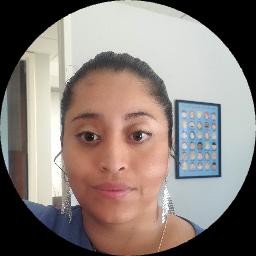
Sanjuana Meza, LCPC
Licensed in Illinois · 6 years in practice
Sanjuana Meza offers a practical, person-focused approach to therapy using methods that help people notice what matters and take steps toward it.
License and registration
- LCPC, Illinois
- 180015605 · expires March 2027
- NPI
- 1659809853 · national provider identifier
- Years in practice
- 6
- Languages
- English, Spanish
Details are as listed on the therapist's public professional profile. You can check any license with the state board and any NPI with the national registry.
About Sanjuana
Sanjuana Meza offers a practical, person-focused approach to therapy using methods that help people notice what matters and take steps toward it. She is a Licensed Clinical Professional Counselor (LCPC) practicing in Illinois and brings six years of experience to sessions. Sanjuana speaks English and Spanish and aims to make conversations straightforward and easy to follow.
She helps people manage stress and anxiety with clear, teachable skills. She works with grief, depression, self-esteem concerns, and addictions by breaking problems into small, manageable steps.
Background and approach
For those who have experienced trauma or abuse she focuses on safety and steady coping, rather than rushing change. Sanjuana uses acceptance and commitment ideas alongside cognitive behavior strategies to address unhelpful thoughts and avoidant patterns. She also draws on client-centered and emotionally focused principles to create a calm, respectful space for people to talk.
Dialectical behavior skills appear in her work when emotion regulation and distress tolerance are needed. Her approach is collaborative. Sanjuana tailors conversations and plans to each person's needs and life situation.
She listens for strengths and builds practical strategies that fit day-to-day life. If someone is dealing with parenting strain, communication problems, immigration stress, ADHD, obsessional thoughts, or feelings of isolation, she brings focused tools and steady support. The goal is clearer thinking, stronger coping, and safer choices that match personal values.
Focus areas and approaches
Everything Sanjuana lists on their public professional profile, in their own terms.
- Stress, Anxiety
- Trauma and abuse
- Grief
- Self esteem
- Depression
- Addictions
- Family conflicts
- Parenting issues
- Anger management
- Coping with life changes
- ADHD
- Communication problems
- Forgiveness
- Guilt and shame
- Immigration issues
- Infidelity
- Intellectual disability
- Isolation / loneliness
- Jealousy
- Life purpose
- Multicultural concerns
- Obsessions, compulsions, and OCD
- Phobias
- Prejudice and discrimination
- Self-love
- Social anxiety and phobia
Approaches Sanjuana names
- Acceptance and Commitment Therapy (ACT)
- Client-Centered Therapy
- Cognitive Behavioral Therapy (CBT)
- Dialectical Behavior Therapy (DBT)
- Emotionally-Focused Therapy (EFT)
- Existential Therapy
- Mindfulness Therapy
- Solution-Focused Therapy
- Trauma-Focused Therapy
Naming an approach is not evidence of training in it. This directory copies what each therapist lists and does not check training records.
Online support
How therapy approaches translate to online care
Sanjuana often uses Acceptance and Commitment Therapy (ACT) to help people clarify values and take committed steps, even when uncomfortable feelings are present. ACT focuses on noticing thoughts and choosing actions that align with what matters most, which can suit issues like anxiety, grief, or life transitions.She also uses Cognitive Behavioral Therapy (CBT) to identify unhelpful thinking patterns and practice concrete behavior changes. CBT is useful for anxiety, depression, obsessive thoughts, and phobias because it breaks problems into skills and experiments to try between sessions.
Choosing an approach is a collaborative process. Sanjuana will talk through goals, preferences, and what has or hasn’t helped before. Together they decide which methods to try and make changes at a comfortable pace.
Online therapy offers several practical benefits for her clients. Video calls let people work face-to-face when schedules or travel are difficult. Phone sessions work when bandwidth is limited or a quieter voice check-in is needed. Live chat and text-based messaging support brief check-ins, skill reminders, and ongoing connection between scheduled meetings. These options make therapy more flexible and easier to fit into busy lives.
We will earn a commission if you sign up through our link, at no cost to you. It does not change what you pay or the order of the listings.
Questions people ask
What concerns does she commonly address?
She works with stress, anxiety, depression, trauma and abuse, grief, self-esteem issues, addictions, ADHD, and related concerns like isolation, multicultural stress, and relationship communication problems.
What is her therapy style like?
Her style blends acceptance and commitment ideas with cognitive behavior techniques and client-centered listening. Sessions focus on practical skills, values-based choices, and clear steps people can try between meetings.
How many years has she practiced?
She has six years of professional experience working with a range of emotional and behavioral concerns in clinical settings.
Where is she licensed and practicing?
She is licensed as an LCPC in Illinois and provides services to clients within that regional context.
Which languages are available for sessions?
Sessions are offered in English and Spanish to accommodate bilingual speakers.
What session formats does she offer?
She provides video calls, phone sessions, live chat, and text-based messaging to suit different needs and schedules.
How is cost handled for sessions?
Cost varies with location and therapist availability, and sessions use a subscription that can be canceled at any time.
How do I begin working with her?
Start by selecting the Start Therapy button, complete a short matching questionnaire, and then schedule sessions according to therapist availability.
More therapists in Illinois
See allCrystal Williams
LCPC
Practical support for stress and life transitions
- Stress, Anxiety
- Grief
- Self esteem
Troy Gibson
LCPC
Straightforward counseling for stress and relationships
- Stress, Anxiety
- LGBT
- Relationship

Susan Rick
LCPC
Practical support for stress and emotional challenges
- Stress, Anxiety
- Trauma and abuse
- Self esteem
Maria "Patti" Lorenzo
LCPC
Compassionate, practical support for changing inner dialogue
- Trauma and abuse
- Self esteem
- Coping with life changes

Is this your profile?
Ask us to correct details or take the page down.
Contact us