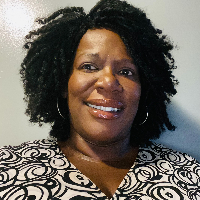
Troy Gibson
LCPC
Straightforward counseling for stress and relationships
- Stress, Anxiety
- LGBT
- Relationship
Illinois 10 yrs
Clinical social work directory
128 therapists list Emotionally-Focused Therapy (EFT) among the ways they work. Naming an approach is not evidence of training in it, so ask directly how they use it.
Emotionally-Focused Therapy (EFT) is a therapy approach that helps people and couples identify and shift the emotional patterns that shape their relationships and wellbeing. Below you can browse therapists who list this approach among their offerings to learn more and view profiles.
LCPC
Straightforward counseling for stress and relationships
LCPC
Compassionate, practical support for changing inner dialogue
LCPC
Compassionate, practical support for life’s hard moments
LCPC
Therapist focused on practical support and growth
LCPC
Practical, relationship-focused therapy for life challenges
LCPC
Calm, experienced counselor focused on practical change
LPC, LCPC
Practical, client-centered therapy for overwhelmed adults
LCPC
Practical trauma-informed counseling for adults
LCPC
Practical, strengths-based counseling for common struggles
LPC, LCPC
Practical counseling for stress and life changes
LCPC
Calm, practical support for life’s harder moments
LPC, LCPC
Practical skill-building with an encouraging approach
LCPC
Compassionate counselor focused on steady progress
LCPC
Practical support for stress and relationship challenges
LCPC, LPC
Compassionate counselor focused on practical change
LCPC
Guided practical therapy for everyday challenges
LPC, LCPC
Mindful, values-focused practical therapy
LCPC
Compassionate counselor focused on practical change
MD, LCPC
Experienced Maryland counselor focusing on practical change
LCPC
Compassionate therapy grounded in faith and practical skills
LCPC
Experienced counselor guiding practical change
LCPC
Guided, practical counseling for life changes
LCMHC, LCPC
Calm, practical counseling for everyday challenges
LCPC
Practical, person-centered care for everyday struggles
MD, LCPC
Compassionate, practical therapy for real life
LCPC
Compassionate LCPC helping people navigate life and relationships
MD, LCPC
Compassionate therapist combining talk and practical tools
MD, LCPC
Compassionate counselor focused on practical change
LCPC, LPC
Practical counseling for people feeling stuck
LCPC
Calm, practical care for stress and compulsions
LCMHC, LCPC
Supportive counselor using practical therapies
LCPC, LCMHC
Compassionate counselor who builds practical coping skills
LCPC
Compassionate counselor focused on practical change
LCPC
Practical, experienced counseling for life stressors
LCPC
Compassionate, practical therapy for real-life struggles
LCPC
Compassionate counselor focused on practical change
LCPC
Compassionate, practical counseling for life changes
LPC, LCPC
Practical therapy for relationship and sexual concerns
LCPC, LPC
Calm, practical counseling for life transitions
MD, LCPC
Compassionate, practical support for life’s challenges
Some links on this page are partner links. We will earn a commission if you sign up through one, at no cost to you. It does not change what you pay or the order of the listings.
Emotionally-Focused Therapy (EFT) centers on the idea that emotions are organizing forces in human experience. Rather than treating emotions as problems to be fixed, EFT helps you explore how emotions shape your reactions, needs, and interactions. The approach emphasizes creating new emotional experiences that can alter long-standing relational patterns. In practice this means your therapist will pay close attention to the felt sense of what you experience in the moment - the tone, bodily response, and meaningful narratives you attach to feelings - and help you translate those reactions into clearer needs and steps for change.
Several core principles guide EFT. First, emotions are seen as adaptive signals that carry important information about what matters to you. Second, attachment needs - such as the desire for closeness, responsiveness, and safety in relationships - are often at the root of repeated conflicts and distress. Third, change occurs when emotional responses are accessed, reprocessed, and reorganized within the therapy relationship. Your therapist will create a therapeutic environment where you can safely access emotion, explore the underlying needs, and practice new ways of expressing and responding. While EFT is often associated with couples therapy, its basic principles can also apply to individual and family work.
EFT is commonly used to address patterns that center on emotional disconnection, repeated cycles of negative interaction, and difficulties identifying or expressing feelings. Many people seek EFT when relationship conflict feels stuck - when arguments loop, withdrawal follows escalation, or you and your partner struggle to feel close despite wanting connection. Because EFT focuses on underlying emotional needs rather than surface behaviors, it is a fit when you want to investigate why certain triggers provoke strong reactions and how those reactions sustain distance or conflict.
Beyond couples, EFT approaches can help with individual concerns that are shaped by emotional avoidance or dysregulation. If you find that intense emotions interfere with your daily functioning, that you have trouble naming what you feel, or that old patterns from earlier relationships influence your current life, EFT techniques aim to increase emotional awareness and flexibility. Therapists who list EFT among their approaches may also use its methods to work with grief, anxiety rooted in attachment worries, and difficulties in family relationships. The emphasis is on understanding the emotional architecture of the problem so you can strengthen your ability to respond differently over time.
In an EFT session you can expect a focus on present-moment emotion and the interactional patterns that sustain distress. Early sessions often involve mapping the cycle of interaction - the recurring sequence of behaviors and feelings that lead to disconnection or conflict. Your therapist will listen for the moments when emotions shift, help you put words to what you feel, and invite you to explore the needs beneath those feelings.
Sessions typically involve a combination of empathic reflection and experiential exercises. Your therapist may slow the pace to help you notice bodily sensations, tone of voice, or underlying fears that are activated in conversation. In couples work this can include carefully structured conversations where one partner speaks about a vulnerable emotion while the other practices responsive listening. For individuals, the therapist may guide you to revisit a difficult emotional moment and re-experience the feeling in order to reframe it or find new coping responses. Over multiple sessions you will likely practice expressing unmet needs in ways that invite connection rather than triggering defensive reactions. Many people find that the process requires patience and repetition - changing interaction patterns takes time - but the focus is always on creating new emotional experiences that can be integrated into everyday life.
EFT differs from some common approaches in the way it prioritizes emotion as the key mechanism of change. Cognitive approaches often emphasize identifying and challenging thought patterns, while behavioral methods focus on modifying actions and skills. EFT places attention first on the feeling itself and the relational meaning attached to it - the message emotion conveys about your needs and attachment concerns. This is not to say that cognitive or behavioral techniques are excluded; rather, EFT integrates experiential and relational techniques to shift how emotions are processed and expressed.
Compared with insight-oriented therapies that explore past history in depth, EFT tends to be more active and present-focused. It uses real-time emotional experiences in the therapy room as the primary material for change. Compared with skill-based therapies that teach coping tools, EFT attends to why certain coping strategies emerged and how they function in relationships. In short, EFT is relational and experiential, aiming to transform how you experience emotion and how you use emotion to connect with others. When you are deciding between approaches you may want to think about whether your primary goal is to change thoughts, learn skills, repair relational cycles, or deepen emotional access - your preference can guide which therapeutic style may feel like the best fit for you.
You may be a good candidate for EFT if you want to understand and change the emotion-driven patterns that shape your relationships. If you notice repeated cycles of criticism and withdrawal, if you feel emotionally shut down or overwhelmed, or if past relational wounds continue to influence your reactions, EFT offers a structured way to access and rework those responses. Because EFT helps people identify and articulate feelings and needs, it can be particularly useful when you or the people you care about struggle to name or respond to emotion in helpful ways.
EFT is also appropriate for people who value a collaborative, emotion-focused process and are willing to engage in sometimes intense emotional work. It is not limited to couples - individuals and families can benefit from the same principles. That said, EFT may not be the best first choice if you are seeking short-term problem solving without exploration of emotional patterns, or if you need immediate crisis intervention. Discussing your goals, comfort with emotional exploration, and past therapy experiences with a clinician can help you determine whether the EFT approach aligns with your needs.
When you are searching for a therapist who lists EFT among their approaches, look beyond the label to find a clinician whose style and experience match your needs. Read profile descriptions to learn about the populations they work with - such as couples, individuals, or families - and the issues they often address. Consider whether you prefer someone who emphasizes experiential techniques, a more didactic approach, or a blend of methods. Language preferences, cultural background, and related clinical interests can also shape the fit, so pay attention to those details when you review profiles.
It can be helpful to note how therapists describe their process. Do they mention focusing on present-moment emotions, attachment patterns, or structured conversations between partners? Those elements signal an EFT-oriented stance without implying specific credentialing. When you find profiles that feel relevant, use introductory materials or contact options to ask about their approach in your own words - for example, how they typically handle strong emotions in session or how they support couples in practicing new patterns outside therapy. A clear conversation about style, approach, and what you hope to achieve will help you decide which clinician feels like the best match for your goals.
Emotionally-Focused Therapy offers a relational and experiential path to understanding emotional patterns and shifting how you connect with others. If you are drawn to therapy that centers feelings, attachment needs, and change through new emotional experiences, exploring therapist profiles that list EFT among their approaches can be a practical next step. Use profile information to compare focus areas, approaches, credentials, languages, and experience so you can find a clinician whose approach resonates with your goals.