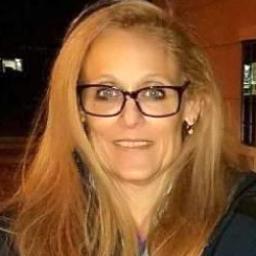
Mary Brahm, LCPC
Licensed in Illinois · 35 years in practice
Mary Brahm is a Licensed Clinical Professional Counselor with 35 years of experience.
License and registration
- LCPC, Illinois
- 180006589 · expires March 2027
- NPI
- 1942235395 · national provider identifier
- Years in practice
- 35
- Languages
- English
Details are as listed on the therapist's public professional profile. You can check any license with the state board and any NPI with the national registry.
About Mary
Mary Brahm is a Licensed Clinical Professional Counselor with 35 years of experience. She brings a direct, down-to-earth style and focuses on practical steps people can use to cope and move forward. Mary works with adults on concerns like addiction, depression, trauma, relationships, grief, and career or parenting stress.
She draws on a few well-known therapy approaches to match what each person needs. Sessions often include talking through patterns, learning new ways to handle strong feelings, and setting small goals that build confidence.
Background and approach
Mary emphasizes trust and clear, honest communication in the work. Her background includes long experience in behavioral health and substance use settings, plus extensive work with military and veteran-related concerns. That history gives her familiarity with the stressors faced by service members and those connected to them.
Mary also has broad experience supporting people with co-occurring issues and complex grief. In the room she keeps things practical. She helps people identify triggers, change unhelpful thoughts, and practice skills to reduce urges or overwhelming emotions.
Therapy can involve short-term problem solving or longer work on life purpose and meaning. Mary has practiced across community mental health and clinical settings and has lived and worked internationally. She uses that perspective to adapt therapy to each person’s background and culture.
Her work aims to increase coping skills, rebuild relationships, and restore a sense of direction.
Focus areas and approaches
Everything Mary lists on their public professional profile, in their own terms.
- Addictions
- Self esteem
- Bipolar disorder
- Depression
- Coping with life changes
- Relationship issues
- Trauma and abuse
- Grief
- Intimacy-related issues
- Parenting issues
- Career difficulties
- Compassion fatigue
- Co-morbidity
- Codependency
- Communication problems
- Drug and alcohol addiction
- Emptiness
- Family of origin issues
- First responder issues
- Forgiveness
- Hospice and end-of-life counseling
- Life purpose
- Midlife crisis
- Veteran and Armed Forces Issues
- Multicultural concerns
- Prejudice and discrimination
- Process addiction (porn, exercise, gambling)
- Seasonal Affective Disorder (SAD)
- Sex addiction
- Sexual assault and abuse
- Young adult issues
Approaches Mary names
- Acceptance and Commitment Therapy (ACT)
- Client-Centered Therapy
- Cognitive Behavioral Therapy (CBT)
- Existential Therapy
- Eye Movement Desensitization and Reprocessing (EMDR)
- Mindfulness Therapy
- Motivational Interviewing
- Narrative Therapy
- Psychodynamic Therapy
- Solution-Focused Therapy
- Trauma-Focused Therapy
Naming an approach is not evidence of training in it. This directory copies what each therapist lists and does not check training records.
Online support
How Mary’s Approaches Translate to Online Care
Acceptance and Commitment Therapy (ACT) helps people notice painful thoughts without being driven by them and then focus on actions that match their values; it can be useful for depression, anxiety, and life changes. Cognitive Behavioral Therapy (CBT) looks at the link between thoughts, feelings, and actions and teaches practical skills to challenge unhelpful thoughts and change behaviors, which helps with mood problems and addictions. Eye Movement Desensitization and Reprocessing (EMDR) is used to reduce the lingering intensity of traumatic memories by working through them in a structured way with guidance from the therapist.The therapist treats finding the right approach as a team effort. Mary will talk with each person about goals, preferences, and what has or hasn’t helped in the past. Together they decide whether ACT, CBT, EMDR, or a mix of approaches fits best and adjust the plan as progress is made.
Online sessions are offered by video calls, phone sessions, live chat, and text-based messaging to make therapy flexible. Video calls allow face-to-face work for skills practice and EMDR-style interventions. Phone sessions suit shorter check-ins or days with lower bandwidth. Live chat and text messaging can be used for brief updates, skill reminders, or when typing feels easier than speaking. These options help people keep continuity of care and fit therapy into work, family, or travel schedules.
We will earn a commission if you sign up through our link, at no cost to you. It does not change what you pay or the order of the listings.
Questions people ask
What concerns does she help with?
She helps with addictions, depression, bipolar disorder, trauma and abuse, relationship and intimacy issues, grief, parenting stress, and career concerns among other topics.
What is her therapeutic style like?
Her style is direct and practical, combining client-centered listening with methods that teach new coping skills and change unhelpful thoughts and behaviors.
How much clinical experience does she have?
She brings 35 years of experience working in behavioral health, substance use treatment, and community mental health settings.
What credentials and location apply?
She is a Licensed Clinical Professional Counselor - IL LCPC - practicing from Illinois.
Which languages are supported and are international clients accepted?
Sessions are offered in English and she is not currently accepting international clients.
How are sessions delivered?
Sessions can be conducted via video calls, phone sessions, live chat, or text-based messaging to fit different needs and schedules.
How does cost and billing work?
Cost varies by location and therapist availability; sessions use a subscription model that can be canceled at any time.
What are the first steps to begin therapy?
Choose the Start Therapy button, complete a short matching questionnaire, and schedule sessions based on therapist availability.
More therapists in Illinois
See allCrystal Williams
LCPC
Practical support for stress and life transitions
- Stress, Anxiety
- Grief
- Self esteem

Troy Gibson
LCPC
Straightforward counseling for stress and relationships
- Stress, Anxiety
- LGBT
- Relationship

Susan Rick
LCPC
Practical support for stress and emotional challenges
- Stress, Anxiety
- Trauma and abuse
- Self esteem

Maria "Patti" Lorenzo
LCPC
Compassionate, practical support for changing inner dialogue
- Trauma and abuse
- Self esteem
- Coping with life changes

Is this your profile?
Ask us to correct details or take the page down.
Contact us