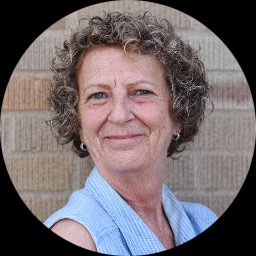
Candice Yeargin, LCPC
Licensed in Illinois · 20 years in practice
Candice Yeargin offers a straightforward, person-centered style that puts the client in charge of goals and progress.
License and registration
- LCPC, Illinois
- 180003699 · expires March 2027
- NPI
- 1265628150 · national provider identifier
- Years in practice
- 20
- Languages
- English
Details are as listed on the therapist's public professional profile. You can check any license with the state board and any NPI with the national registry.
About Candice
Candice Yeargin offers a straightforward, person-centered style that puts the client in charge of goals and progress. She is an LCPC - Licensed Clinical Professional Counselor - based in Illinois with two decades of experience. Candice aims to make starting therapy less intimidating and to build a working relationship based on honesty and respect.
She focuses on practical steps people can use to handle stress, anxiety, addiction, depression, grief, and trauma.
Background and approach
Sessions also address relationship strain, parenting challenges, anger, self-esteem, bipolar concerns, and coping with life changes. Additional areas include adoption and foster care, aging concerns, caregiver stress, substance issues, and family of origin problems. Candice combines attachment-based ideas with cognitive behavioral techniques and client-centered listening.
She also uses motivational interviewing and solution-focused tools to help people find short-term, achievable changes. The work is collaborative - the client sets priorities and Candice helps map out realistic steps. Her background includes a bachelor’s degree in criminal justice and a master’s in education with a focus on community counseling.
She has been practicing since receiving her license in 1999, which adds up to about 20 years of clinical experience. That mix of education and practice informs how she structures sessions and treatment plans. Candice keeps sessions practical and direct, while remaining compassionate and nonjudgmental.
She likes to tackle difficult topics when needed, and she helps clients carry those steps forward between meetings. Outside of work she enjoys reading and golf and spends time with two fur pets.
Focus areas and approaches
Everything Candice lists on their public professional profile, in their own terms.
- Stress, Anxiety
- Addictions
- Relationship issues
- Trauma and abuse
- Depression
- Family conflicts
- Grief
- Parenting issues
- Anger management
- Self esteem
- Bipolar disorder
- Coping with life changes
- ADHD
- Adoption and foster care
- Aging and geriatric issues
- Antisocial personality
- Attachment issues
- Blended family issues
- Cancer
- Caregiver issues and stress
- Co-morbidity
- Codependency
- Communication problems
- Control issues
- Divorce and separation
- Domestic violence
- Drug and alcohol addiction
- Family of origin issues
- Family problems
- Impulsivity
- Infidelity
- Midlife crisis
- Veteran and Armed Forces Issues
- Mood disorders
- Multicultural concerns
- Narcissism
- Obsessions, compulsions, and OCD
- Panic disorder and panic attacks
- Personality disorders
- Post-traumatic stress
- Process addiction (porn, exercise, gambling)
- Self-harm
- Sexual assault and abuse
- Social anxiety and phobia
- Women's issues
Approaches Candice names
- Attachment-Based Therapy
- Client-Centered Therapy
- Cognitive Behavioral Therapy (CBT)
- Motivational Interviewing
- Solution-Focused Therapy
- Trauma-Focused Therapy
Naming an approach is not evidence of training in it. This directory copies what each therapist lists and does not check training records.
Online support
How these approaches translate to online therapy
Attachment-Based Therapy focuses on how past and present relationships shape current feelings and reactions. Online sessions let clients talk through relational patterns and practice new ways of connecting with others in real time. Cognitive Behavioral Therapy (CBT) breaks problems into thoughts, feelings, and behaviors and builds specific skills to change them. In remote sessions clients learn practical exercises and homework tasks they can use between meetings to track progress and shift patterns.Finding the right approach is part of the work. The therapist will review goals, current struggles, and preferences together and recommend a blend of methods that fits the client's needs. That plan can change over time as progress is made or priorities shift, and the relationship remains collaborative throughout.
Online formats - video calls, phone sessions, live chat, and text-based messaging - provide flexibility for different schedules and needs. Video is useful for deeper conversation and nonverbal feedback. Phone sessions can be helpful when bandwidth is limited or when someone needs a shorter check-in. Live chat and text-based messaging work well for quick updates, brief coping strategies, or ongoing support between longer sessions.
We will earn a commission if you sign up through our link, at no cost to you. It does not change what you pay or the order of the listings.
Questions people ask
What kinds of concerns can Candice help with?
She addresses stress, anxiety, addiction, depression, trauma and grief along with relationship issues, parenting strain, anger, self-esteem, bipolar concerns, ADHD, and coping with life changes.
How would you describe her therapeutic style?
Her style is collaborative and person-centered, using attachment ideas, cognitive behavioral techniques, motivational interviewing, and solution-focused strategies to set clear, practical goals.
What is her clinical experience?
Candice has about 20 years of clinical experience and began practicing after receiving her license in 1999.
Where is she licensed and located?
She is an LCPC - Licensed Clinical Professional Counselor - licensed in Illinois and practices from that state.
In what languages are sessions offered?
Sessions are offered in English, and she is available to work with international clients.
Which session formats are available?
She offers video calls, phone sessions, live chat, and text-based messaging as options for meeting remotely.
How are costs handled for sessions?
Costs vary by location and therapist availability; sessions use a subscription model that can be canceled at any time.
What is the process for beginning therapy?
Start by selecting the Start Therapy button, complete a short matching questionnaire, and then schedule sessions according to therapist availability.
More therapists in Illinois
See allCrystal Williams
LCPC
Practical support for stress and life transitions
- Stress, Anxiety
- Grief
- Self esteem

Troy Gibson
LCPC
Straightforward counseling for stress and relationships
- Stress, Anxiety
- LGBT
- Relationship

Susan Rick
LCPC
Practical support for stress and emotional challenges
- Stress, Anxiety
- Trauma and abuse
- Self esteem

Maria "Patti" Lorenzo
LCPC
Compassionate, practical support for changing inner dialogue
- Trauma and abuse
- Self esteem
- Coping with life changes

Is this your profile?
Ask us to correct details or take the page down.
Contact us