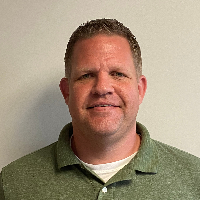
William "Bill" Blundell, LCPC
Licensed in Illinois · 17 years in practice
William "Bill" Blundell is a Licensed Clinical Professional Counselor who has worked in Illinois counseling since 2010 and in the field since 2007.
License and registration
- LCPC, Illinois
- 180.007429 · expires March 2027
- NPI
- 1346545712 · national provider identifier
- Years in practice
- 17
- Languages
- English
Details are as listed on the therapist's public professional profile. You can check any license with the state board and any NPI with the national registry.
About William
William "Bill" Blundell is a Licensed Clinical Professional Counselor who has worked in Illinois counseling since 2010 and in the field since 2007. He brings 17 years of experience to his work and balances clinical practice with teaching in a university counseling program. Bill describes himself as open minded and approachable, with a relaxed style and a sense of humor.
He aims to offer a nonjudgmental space where people can talk through what matters to them.
Background and approach
Bill spends much of his time helping people with depression, anxiety, stress, anger, and relationship concerns. He also supports people facing grief, addiction, trauma, ADHD, bipolar challenges, and intimacy-related issues. He has particular experience with OCD and with topics related to adoption, attachment, and sexual subcultures, and he makes an effort to meet clients where they are.
In addition to clinical work, he teaches courses on substance abuse, grief and loss, and human growth and development at Bradley University in Peoria, Illinois. Since 2018 he has also worked in probation, which has shaped his practical approach to counseling. His classroom and field roles help him keep skills current.
Bill uses straightforward, practical methods in sessions. He listens first, then works with each person to set realistic steps and goals. He aims to help people build coping skills they can use day to day and over the long term.
Counseling with Bill is collaborative. He does not tell people what to do. Instead he helps them decide what changes they want and supports them in making those changes.
Focus areas and approaches
Everything William lists on their public professional profile, in their own terms.
- Stress, Anxiety
- Grief
- Anger management
- Depression
- Coping with life changes
- Addictions
- LGBT
- Relationship issues
- Family conflicts
- Trauma and abuse
- Intimacy-related issues
- Eating disorders
- Sleeping disorders
- Parenting issues
- Self esteem
- Career difficulties
- Bipolar disorder
- Compassion fatigue
- ADHD
- Adoption and foster care
- Antisocial personality
- Attachment issues
- Autism and Asperger Syndrome
- BDSM, kink, and alternative sex culture
- Body image
- Codependency
- Commitment issues
- Communication problems
- Dissociation
- Divorce and separation
- Domestic violence
- Drug and alcohol addiction
- Eating and food-related issues
- Family problems
- First responder issues
- Gender dysphoria
- Hoarding
- Impulsivity
- Infidelity
- Men's issues
- Midlife crisis
- Mood disorders
- Narcissism
- Obsessions, compulsions, and OCD
- Panic disorder and panic attacks
- Paranoia
- Process addiction (porn, exercise, gambling)
- Seasonal Affective Disorder (SAD)
- Self-harm
- Sexuality
- Social anxiety and phobia
- Trichotillomania
- Workplace issues
- Young adult issues
Approaches William names
- Acceptance and Commitment Therapy (ACT)
- Cognitive Behavioral Therapy (CBT)
- Dialectical Behavior Therapy (DBT)
- Mindfulness Therapy
- Motivational Interviewing
- Solution-Focused Therapy
- Trauma-Focused Therapy
Naming an approach is not evidence of training in it. This directory copies what each therapist lists and does not check training records.
Online support
Evidence-informed approaches for online care
Acceptance and Commitment Therapy (ACT) focuses on helping people clarify their values and take small, meaningful actions toward them while accepting difficult thoughts and feelings. It can be useful for anxiety, depression, and life transitions. Cognitive Behavioral Therapy (CBT) looks at links between thoughts, feelings, and behaviors and teaches practical skills to change unhelpful patterns; it often helps with anxiety, depression, and stress. Dialectical Behavior Therapy (DBT) teaches skills for regulating emotions, tolerating distress, and improving communication, which can help with intense emotions and relationship difficulties.Choosing the right approach is part of the work. The therapist will listen to your concerns, goals, and preferences and then suggest methods to try. That decision is collaborative and may change as progress is made or needs shift.
Online therapy offers flexibility in how sessions happen. Video calls let you have a face-to-face style meeting from wherever you are; phone sessions can be easier when bandwidth or being on camera is an issue. Live chat and text-based messaging support shorter check-ins, ongoing skill practice, and days when a quick message fits your schedule. Using these options, people can fit sessions around work, school, or family demands while working with a licensed professional.
We will earn a commission if you sign up through our link, at no cost to you. It does not change what you pay or the order of the listings.
Questions people ask
What concerns does Bill help with?
He works with a wide range of issues including stress, anxiety, depression, grief, anger, addictions, trauma, ADHD, and relationship and intimacy-related concerns.
What is his therapeutic style like?
He adopts a relaxed, practical style and uses a listening-first approach. Sessions focus on setting small steps and building coping skills that people can use daily.
How much experience does he have?
He has 17 years of counseling experience and also teaches counseling courses, which he says helps keep his skills current.
What credentials and location are listed?
He holds an IL LCPC and is based in Illinois where he provides counseling services.
Are sessions offered in other languages or internationally?
Sessions are offered in English. He is not accepting international clients.
What session formats are available?
He offers video calls, phone sessions, live chat, and text-based messaging to accommodate different needs and schedules.
How is cost handled?
Cost varies with location and therapist availability; sessions are paid through a subscription that can be canceled at any time.
How do I begin working with him?
Start by selecting the Start Therapy button, complete the short matching questionnaire, and then schedule sessions according to the therapist's availability.
More therapists in Illinois
See allCrystal Williams
LCPC
Practical support for stress and life transitions
- Stress, Anxiety
- Grief
- Self esteem

Troy Gibson
LCPC
Straightforward counseling for stress and relationships
- Stress, Anxiety
- LGBT
- Relationship

Susan Rick
LCPC
Practical support for stress and emotional challenges
- Stress, Anxiety
- Trauma and abuse
- Self esteem

Maria "Patti" Lorenzo
LCPC
Compassionate, practical support for changing inner dialogue
- Trauma and abuse
- Self esteem
- Coping with life changes

Is this your profile?
Ask us to correct details or take the page down.
Contact us